Why Quartzite – The Case for Natural Stone
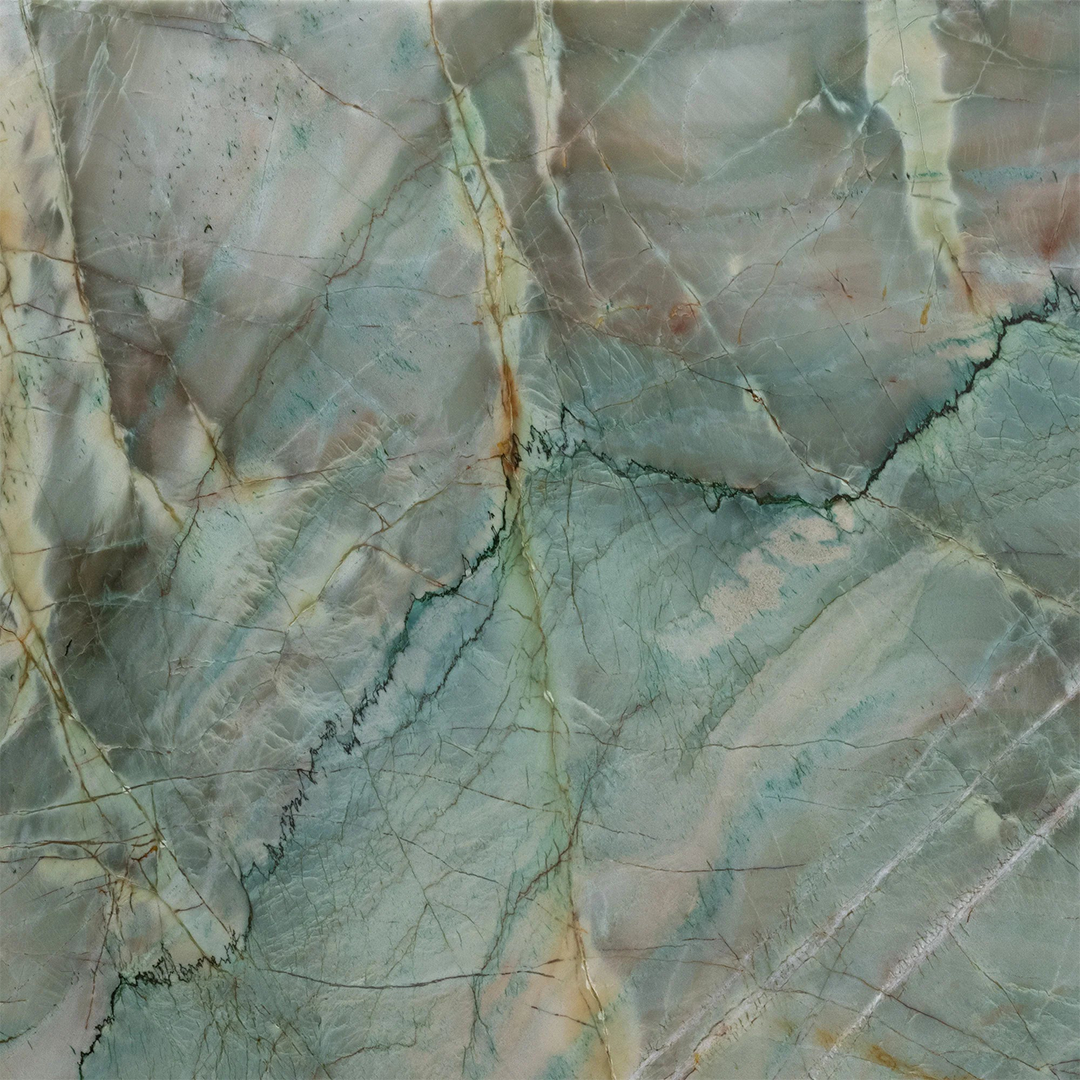
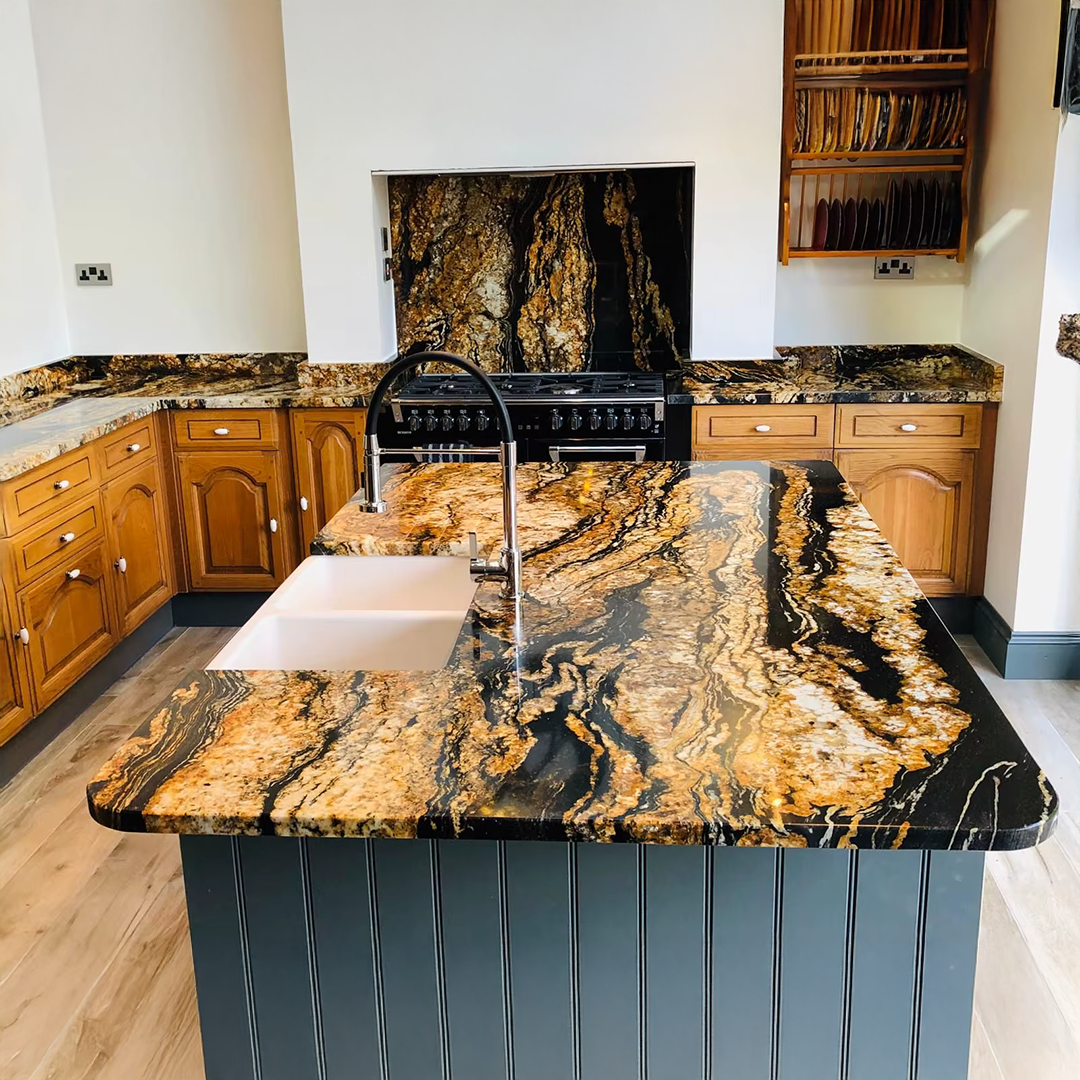
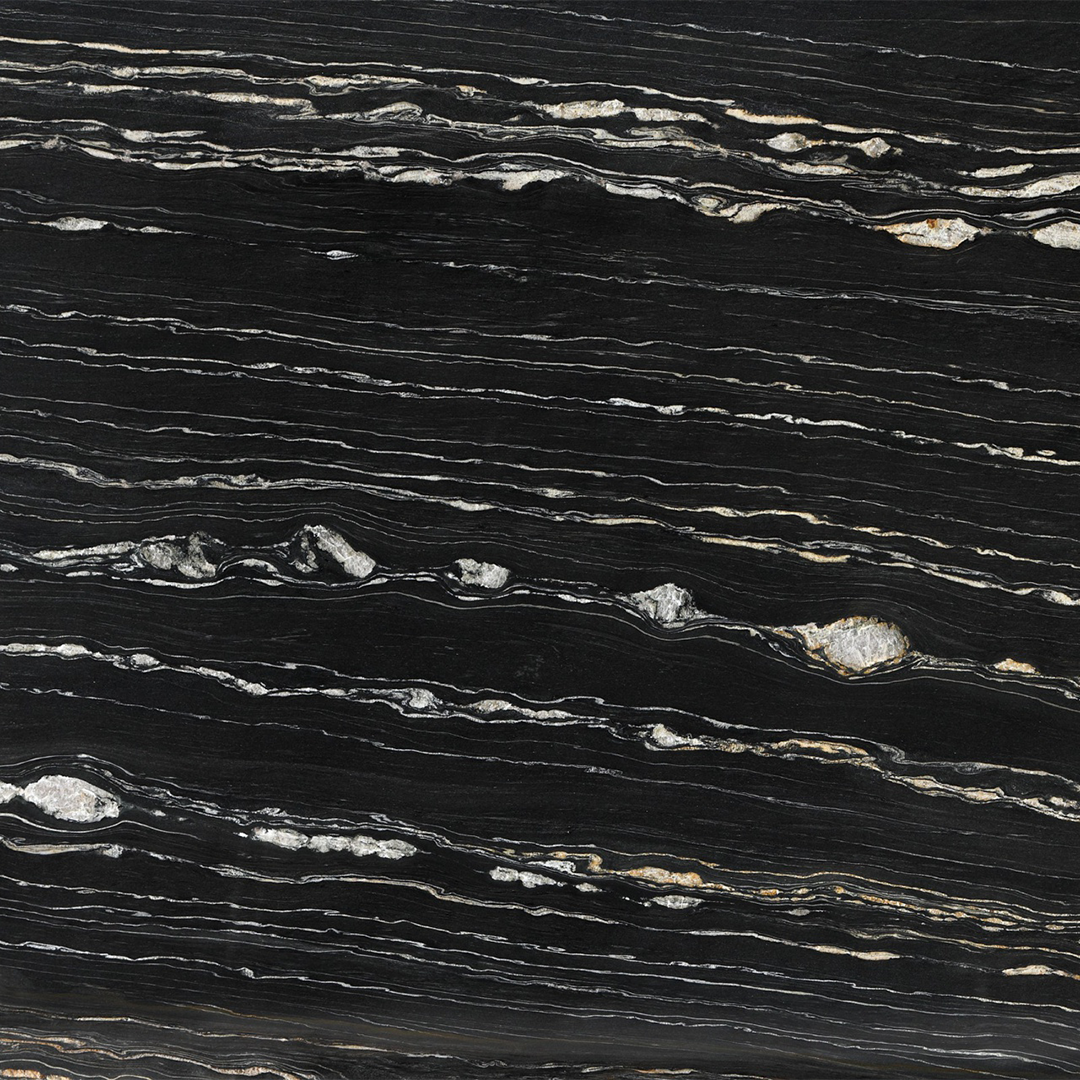
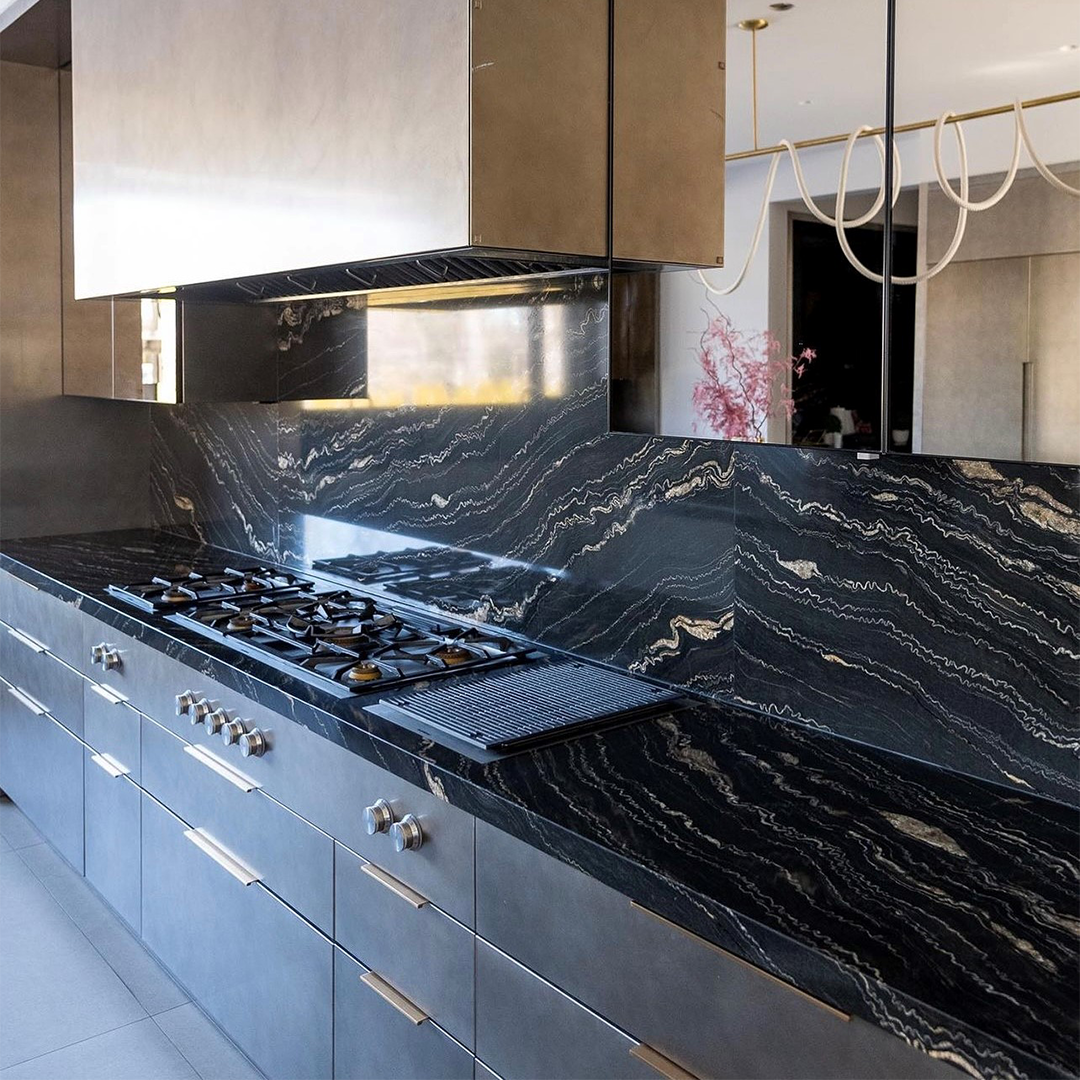
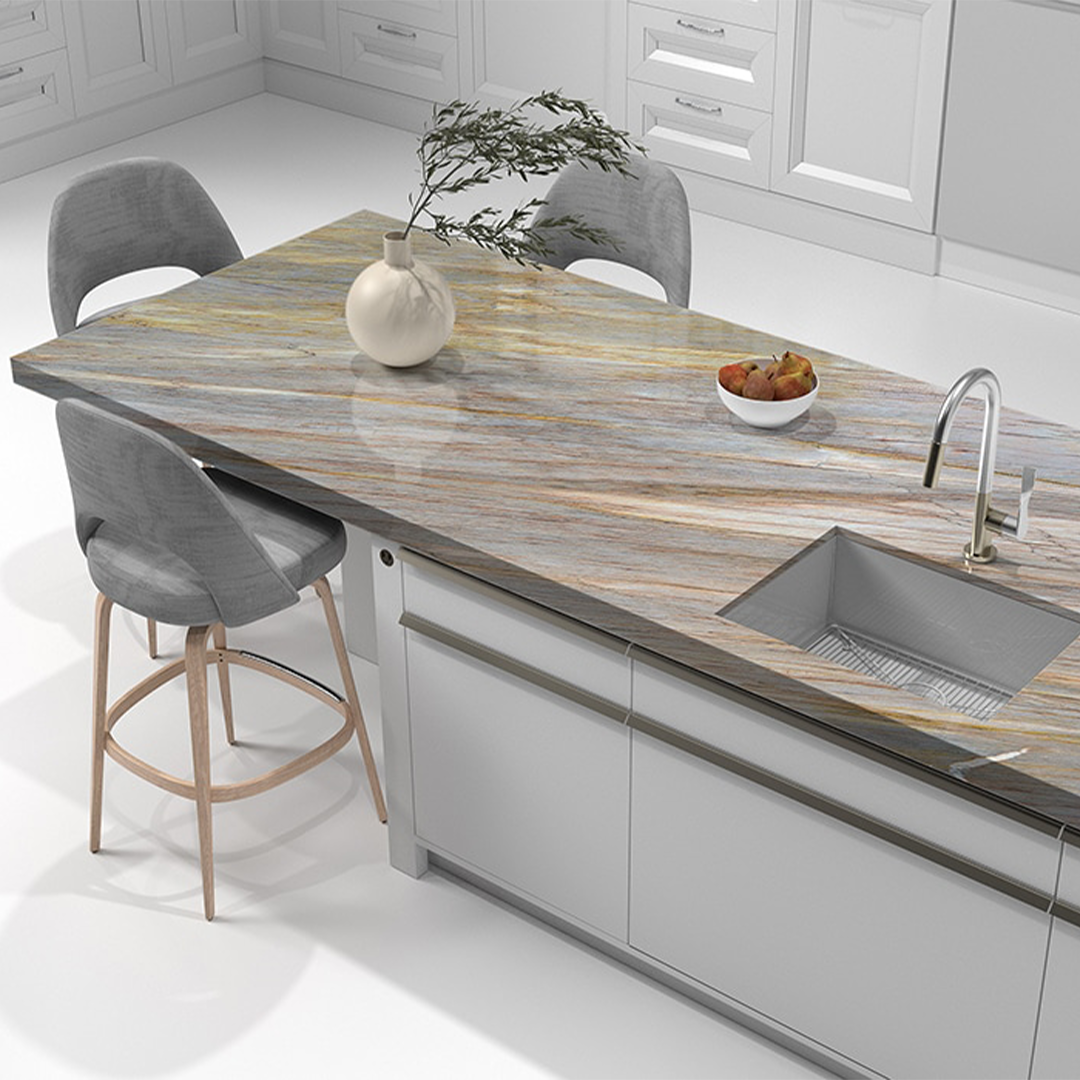
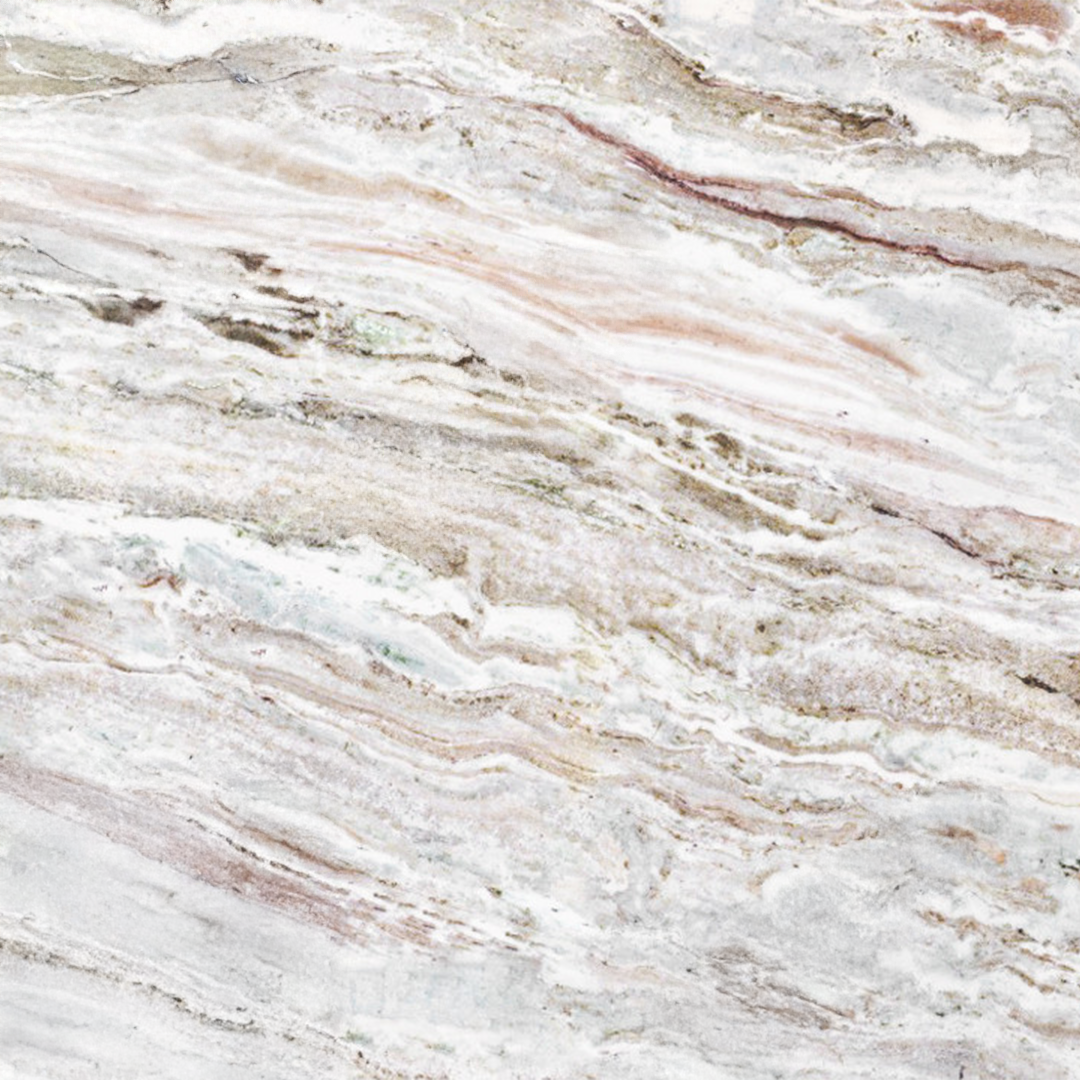
Over the last 10 years, there has been a drastic improvement in engineered stone. It is uniform, impervious, and readily accessible. But it can’t do one thing quartzite does with ease: tell a story. It has nothing to do with printing, pressing, or programming; it is simply the record of heat, pressure, and mineral migration across the ages of the earth, in a quartzite slab. In today’s day and age of reproduction, it is the authenticity that is being looked for.
Quartzite vs. Quartz – What’s the Difference?
It is one of the most frequently mixed-up points when it comes to countertops, and it’s understandable as the names are almost the same. However, there’s a huge difference in the products.
Quartzite is a natural stone that is quarried, sliced into slabs, and placed without alteration. Quartz countertops (also known as Caesarstone, Cambria, or Silestone) are manufactured materials that are comprised of approximately 90-95% ground quartz crystals, which are then held together by polymer resins and pigments.
Feature | Quartzite (Natural) | Quartz (Engineered) |
Origin | Mined from the earth | Factory-manufactured |
Porosity | Low-medium (needs sealing) | Non-porous (no sealing) |
Heat Resistance | Excellent — natural origin | Moderate — resins can discolor |
Scratch Resistance | 7–8 Mohs — very high | ~7 Mohs — comparable |
UV / Outdoor Use | Stable — no fading | Resins yellow in UV |
Pattern Uniqueness | Every slab is unique | Consistent (repeated patterns) |
Maintenance | Annual sealing required | Minimal — wipe clean |
Aesthetic Prestige | Natural stone depth | Uniform, predictable look |
This decision is a personal one, depending on lifestyle and priorities. For a maintenance-free, uniform color, engineered quartz is always a great option. When it comes to natural beauty, unmatched heat resistance, UV stability, and a surface that is truly yours alone, then quartzite beats the pants off.
Quartzite vs. Marble – A Closer Look
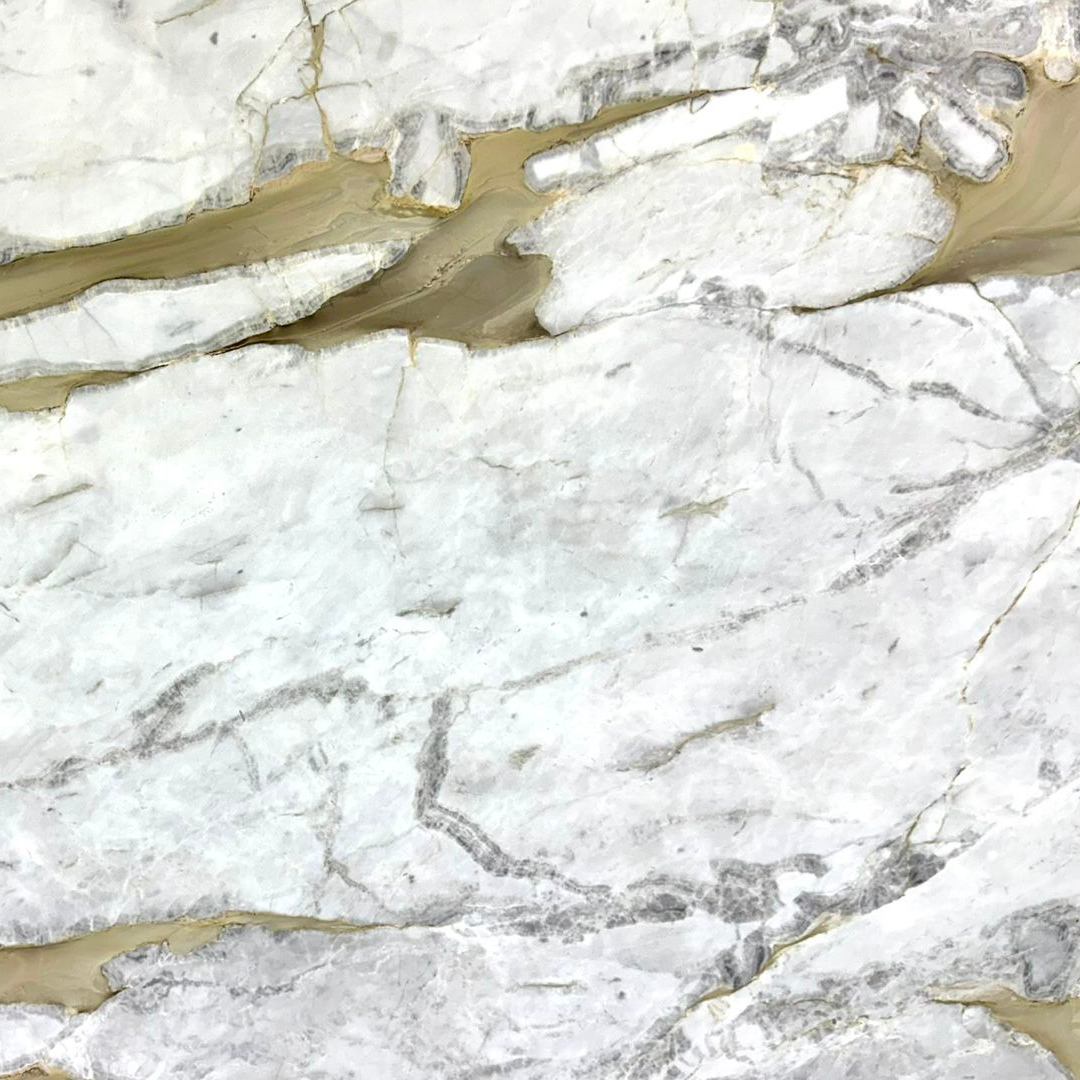
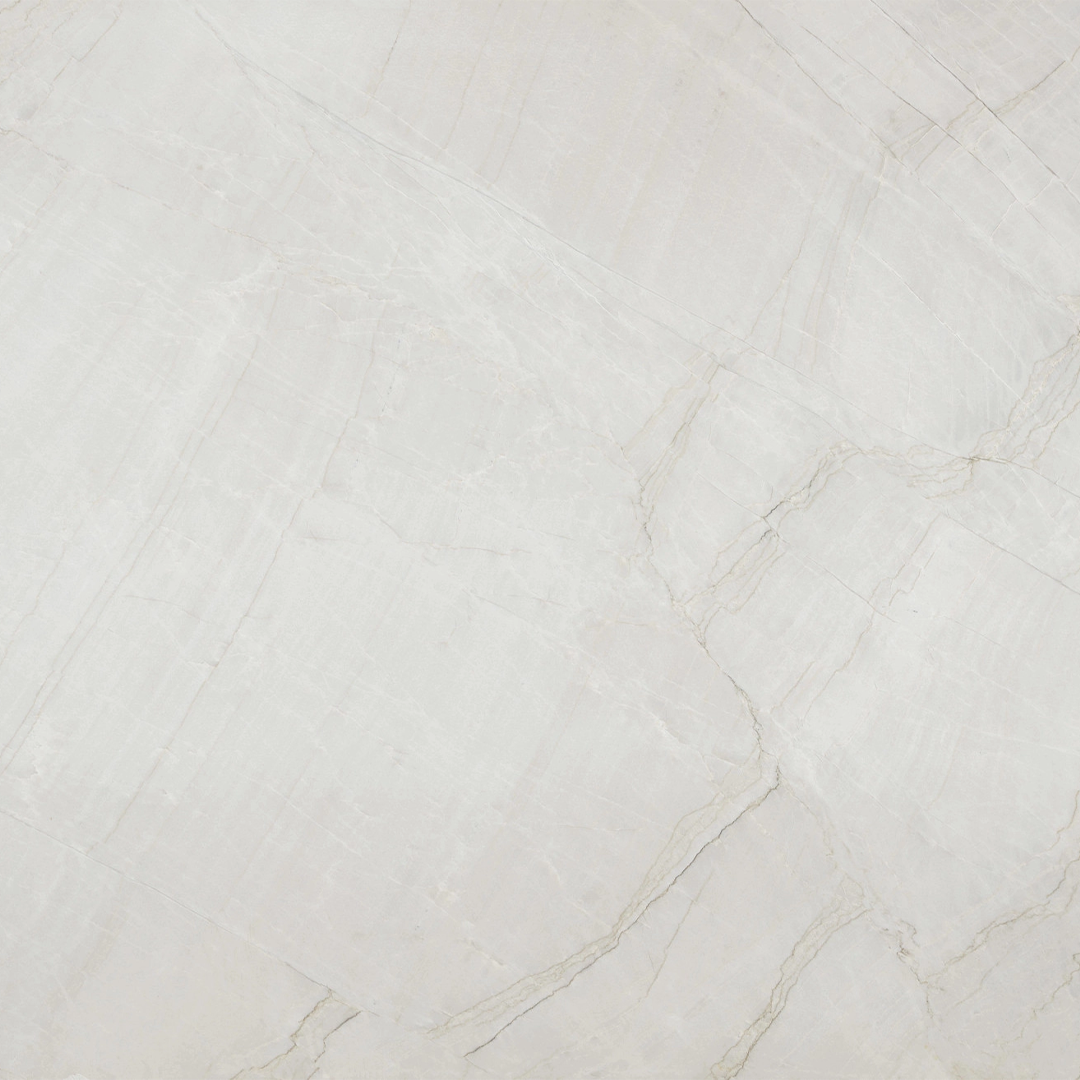
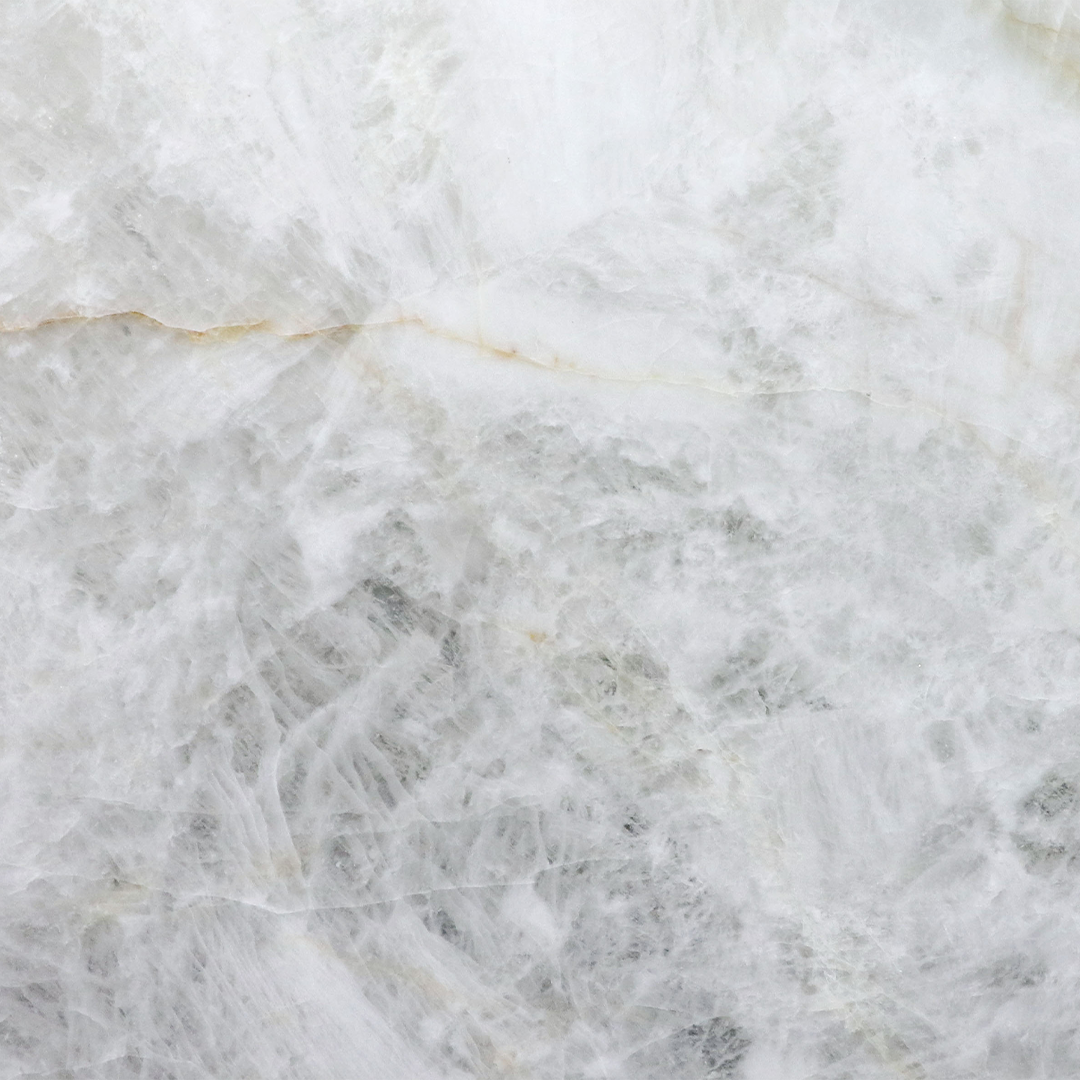
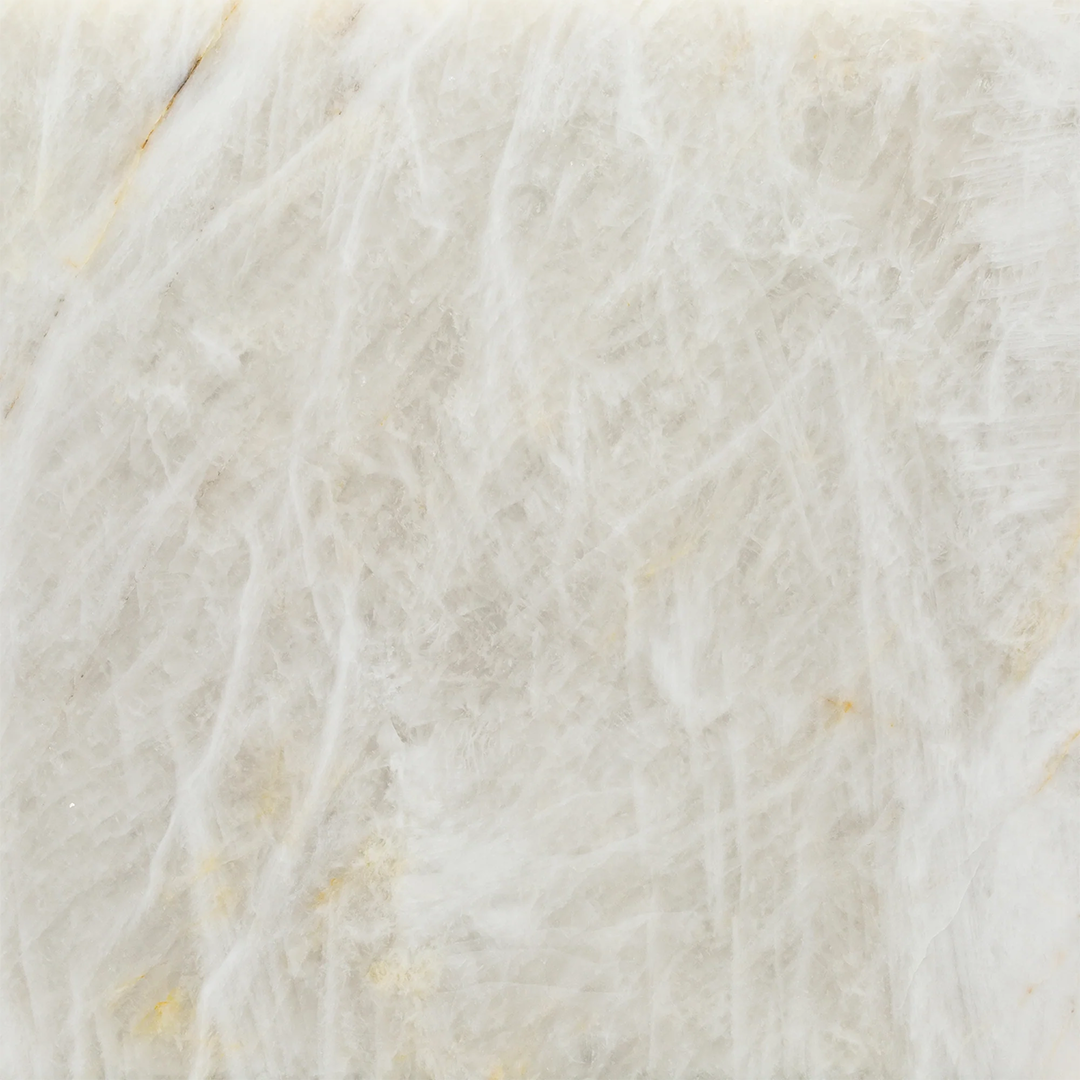
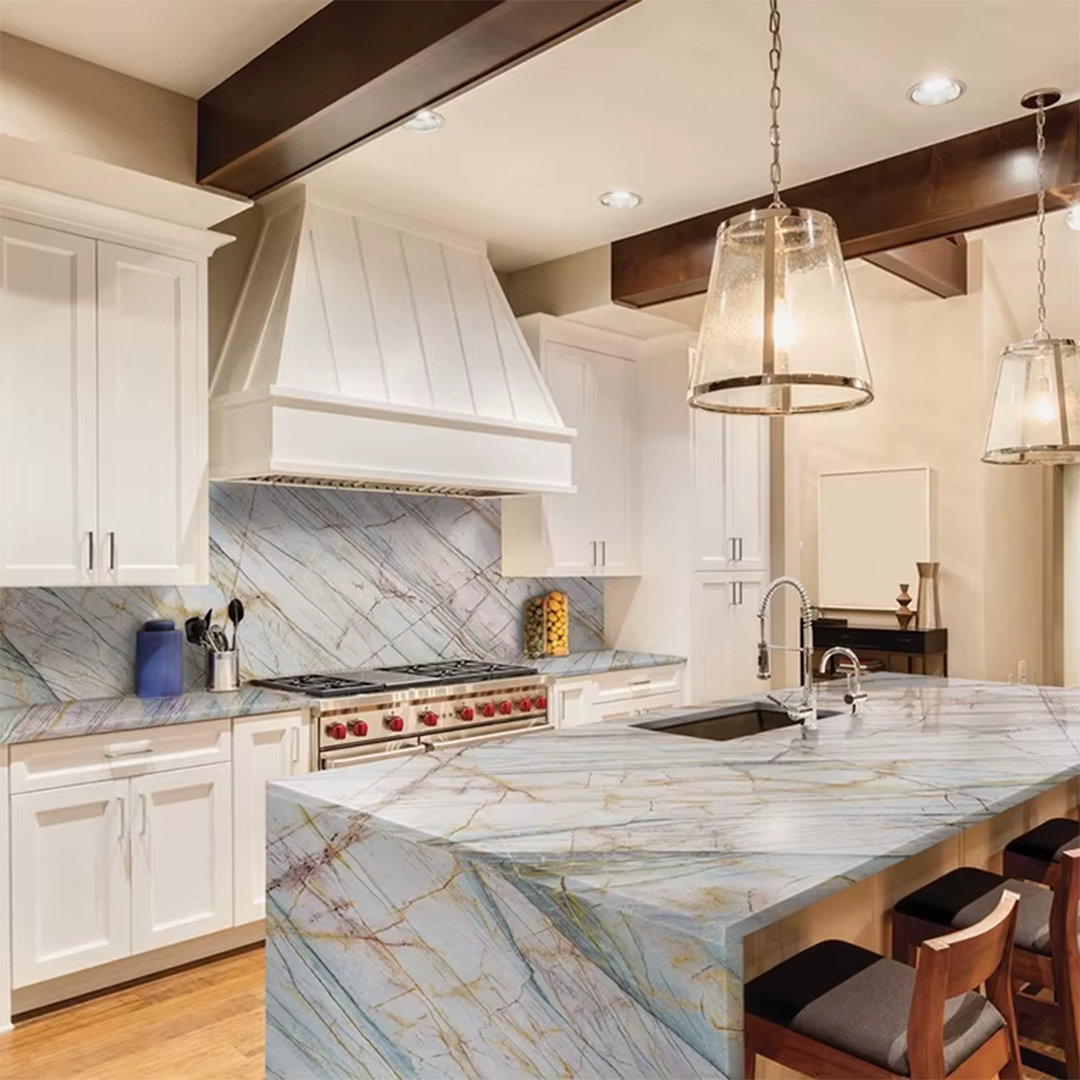
This comparison is even more apt in some cases, as numerous quartzite slabs – such as Super White, Taj Mahal, Calacatta Macaubas – are so visually similar to white marble that even seasoned designers are likely to double-take. However, there is a considerable difference in performance between the two stones.
stones.
Feature | Quartzite | Marble |
Hardness | 7–8 Mohs | 3–4 Mohs |
Scratch Resistance | Excellent | Low — scratches easily |
Acid Sensitivity | Resistant to mild acids | High — etches on contact |
Stain Resistance | High (sealed) | Moderate |
Visual Similarity | White varieties mimic marble | The original aesthetic |
Patina Over Time | Ages gracefully, minor wear | Develops character (etching) |
Best For | Kitchens, heavy-use surfaces | Bathrooms, low-traffic areas |
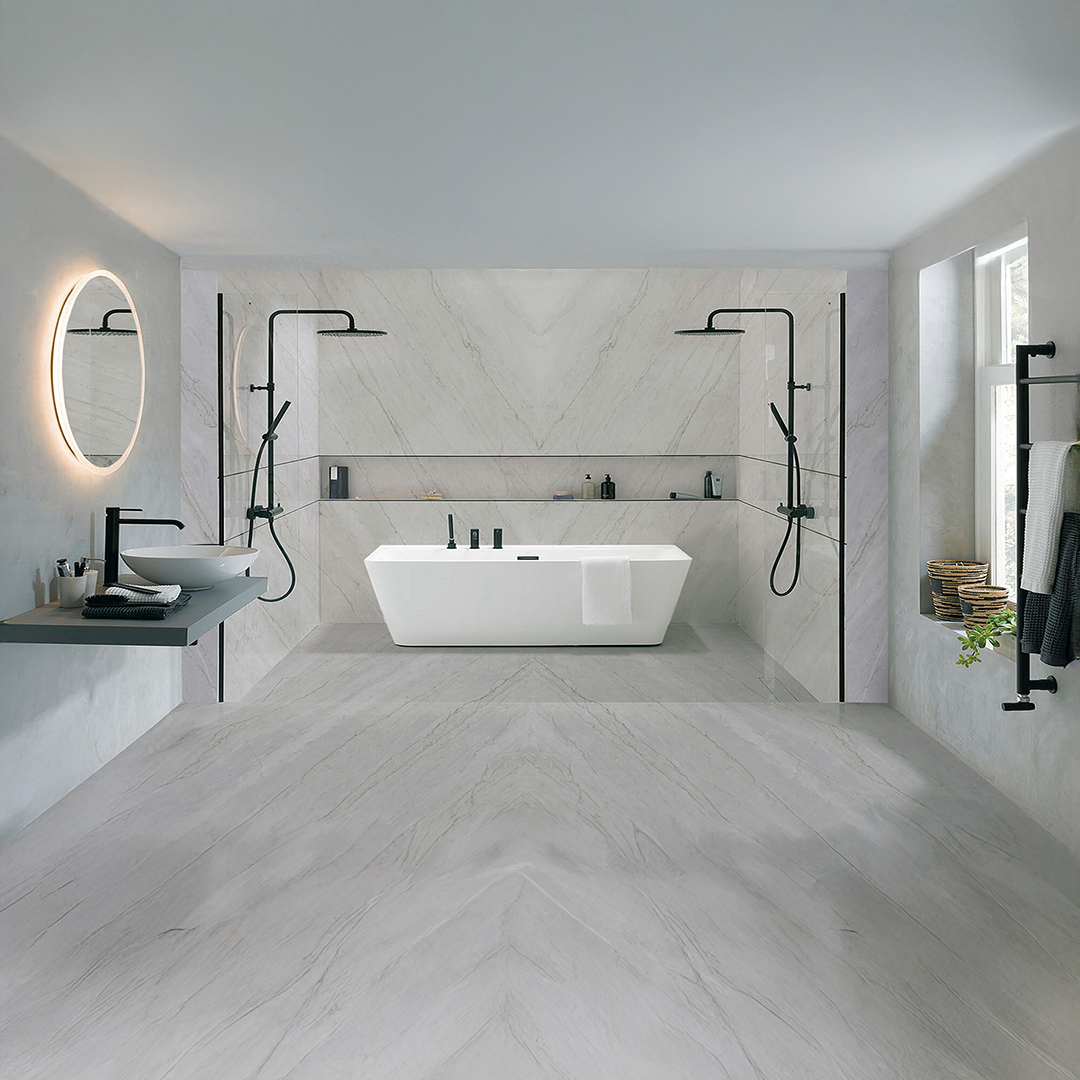
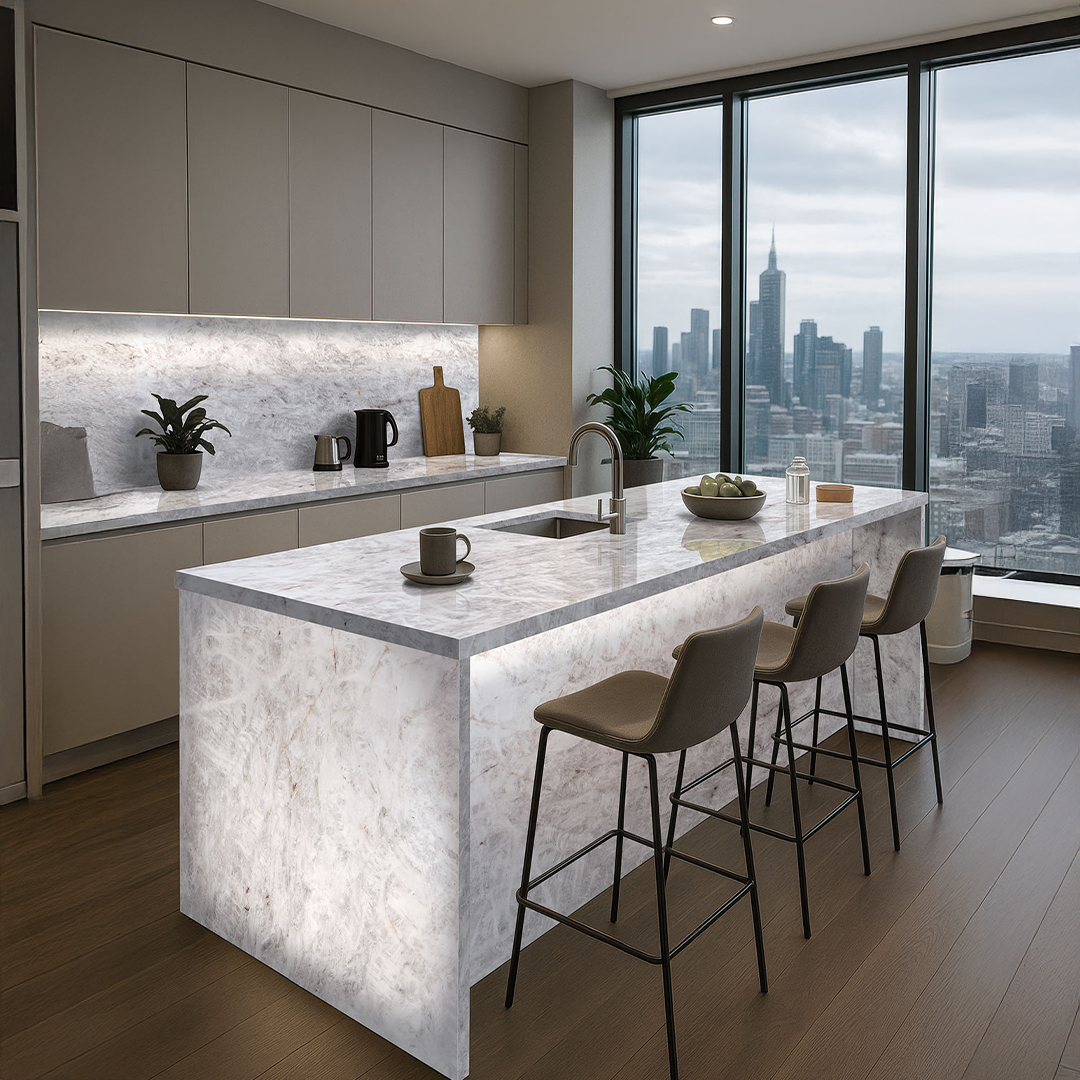
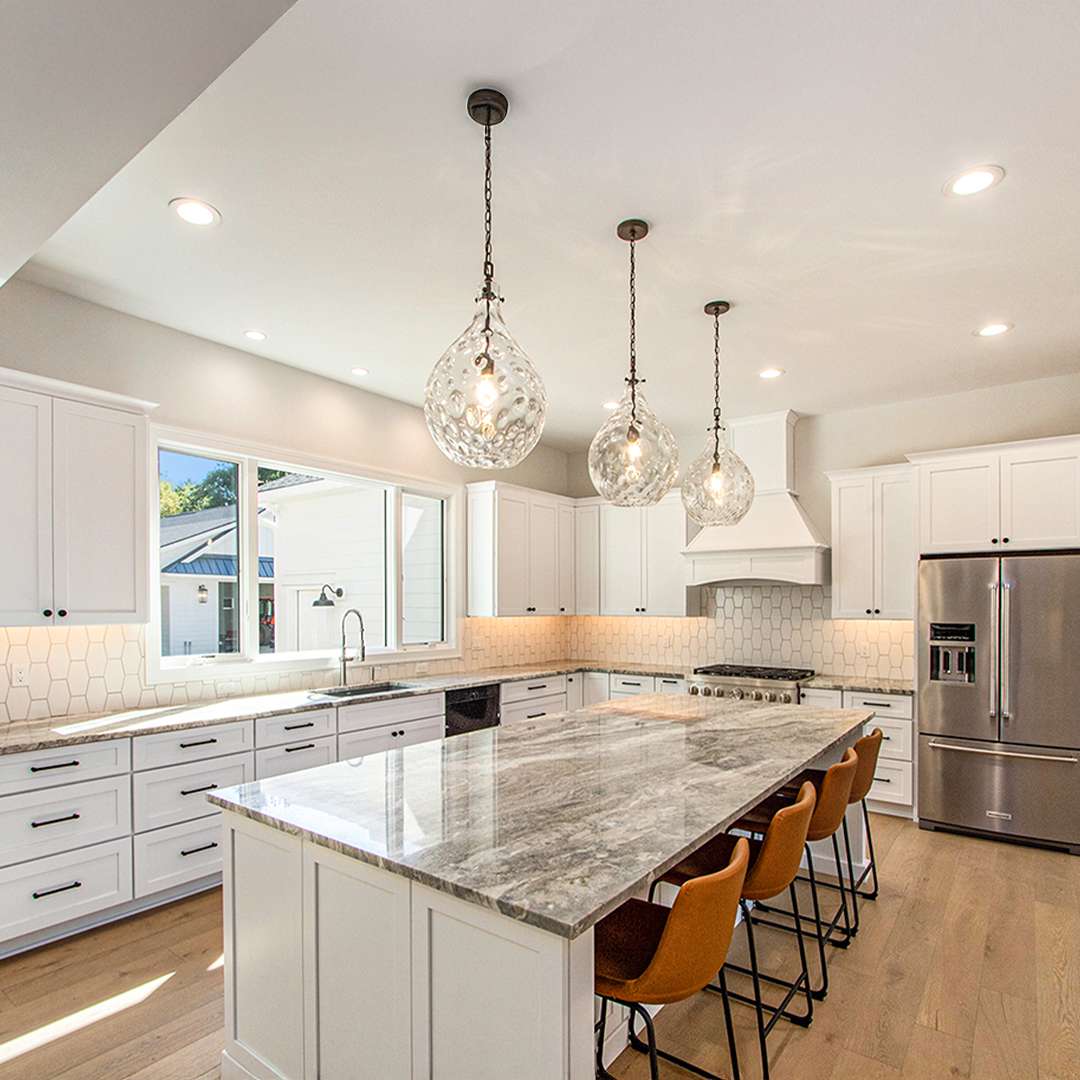
Quartzite is the perfect solution for those who cherish marble, but need a kitchen countertop, since it provides a refined look of the white Carrara or Calacatta marble, yet doesn’t suffer from the potential damage from lemon juice, vinegar, wine, or cooking wear that is inevitable with marble.
However, marble is still unsurpassed in some situations, especially bathroom sinks, ornamental use, and where the luxurious, living surface of marble is a design element. At NaturaStone Design, we deal with materials and can assist you in determining which is suitable for your particular project.
Quartzite Countertop Cost in Orlando
Orlando homeowners often ask about the price of quartzite. The question that’s on everyone’s mind is, what is the price of quartzite? Unlike engineered stone, the quartzite market is not as predictable in pricing due to a number of other factors, including the uniqueness of every slab and its rarity. A realistic breakdown in the Central Florida area.
Entry-Level: $70–$90
per sq ft, installed
Mid-Range: $90–$120
per sq ft, installed
Premium / Exotic: $120–$180+
per sq ft, installed
Frequently Asked Questions
Each day, we get questions about quartzite. These are the responses we get from Orlando homeowners and designers the most.
Which material is harder – quartzite or granite?
Quartzite is usually 7 to 8 on the Mohs’ scale, which is higher than that of granite (6 to 7). This means that quartzite can withstand scratching from keys, utensils, and everyday kitchen use. One of the most difficult countertop materials that can be found is natural stone.
Do you need to seal quartzite?
Yes, quartzite is a natural stone, and will need to be sealed once or twice a year, depending on the density of the slab. Sealing does not stain the stone, but rather forms a subsurface barrier that prevents stains and moisture from penetrating the stone. A professional-grade sealer is used at installation, and information on care is given.
What is the price of Quartzite countertops in Orlando, Florida?
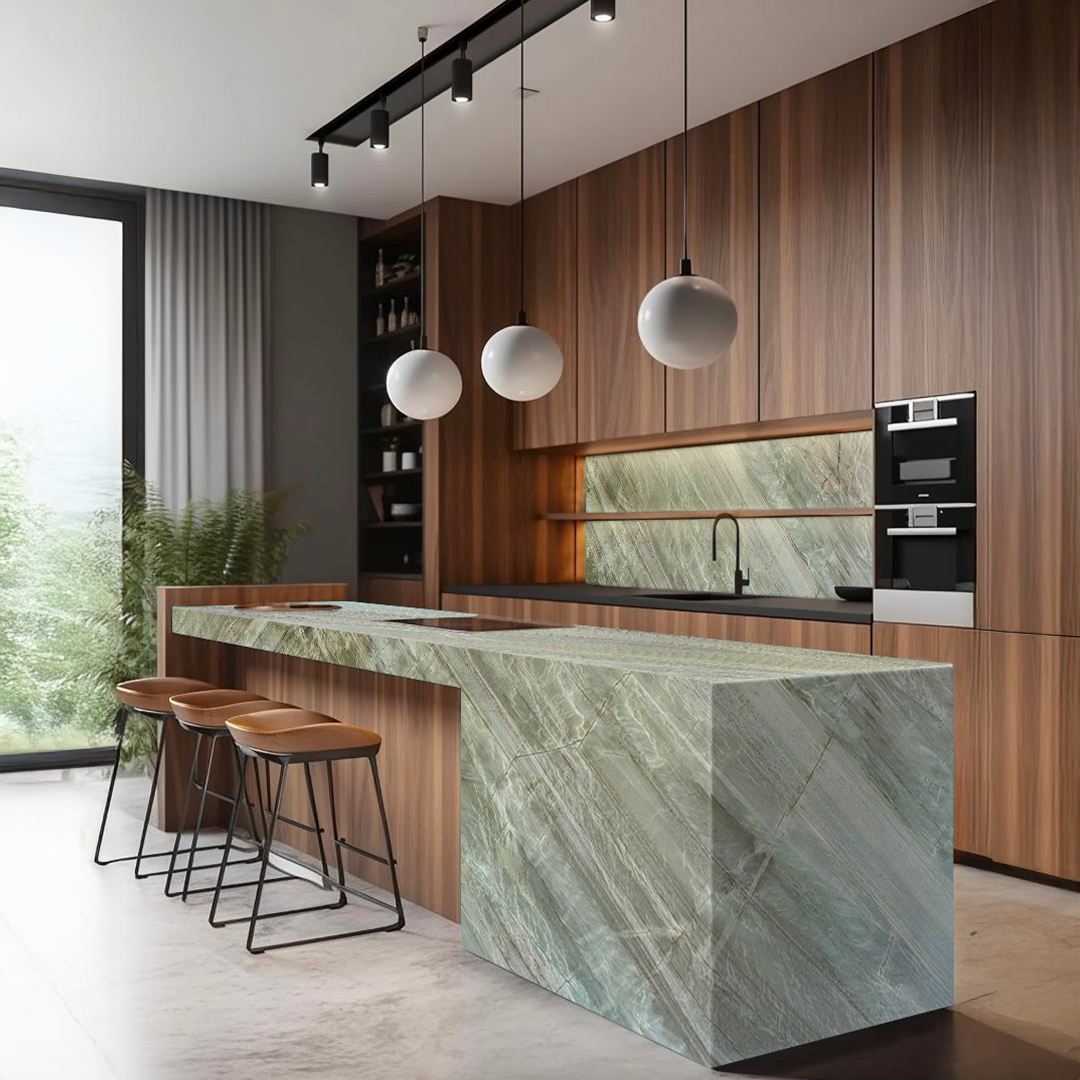
Average installed quartzite countertop prices are in the range of $70-$180+ per square foot, which varies according to the origin, rarity, complexity of the edge profile, size of the project, and whether there is an extra cost associated with matched book matching or a waterfall edge being created. Estimates are comprehensive, transparent, and we can provide a free quote and consultation for your project.
Will hot pots be placed on quartzite?
It is a rock product of extreme heat and pressure; quartzite simply cannot be as heat-resistant as engineered stone is. The quartzite will not crack or break when a hot pan is placed. We do recommend going with the use of trivets; however, to help ensure the sealer and the polished surface finish over time. Remember, trivets are meant to protect your investment and not the stone itself.
Does Quartz outperform Quartzite in the Kitchen?
Both are good choices for kitchens, having different priorities. Quartzite is extremely heat-resistant, UV-resistant, and also has the depth that natural stone provides. Engineered quartz is made with a non-porous surface, is never sealed and has very consistent shades and patterns.
What are the popular colors of quartzite?
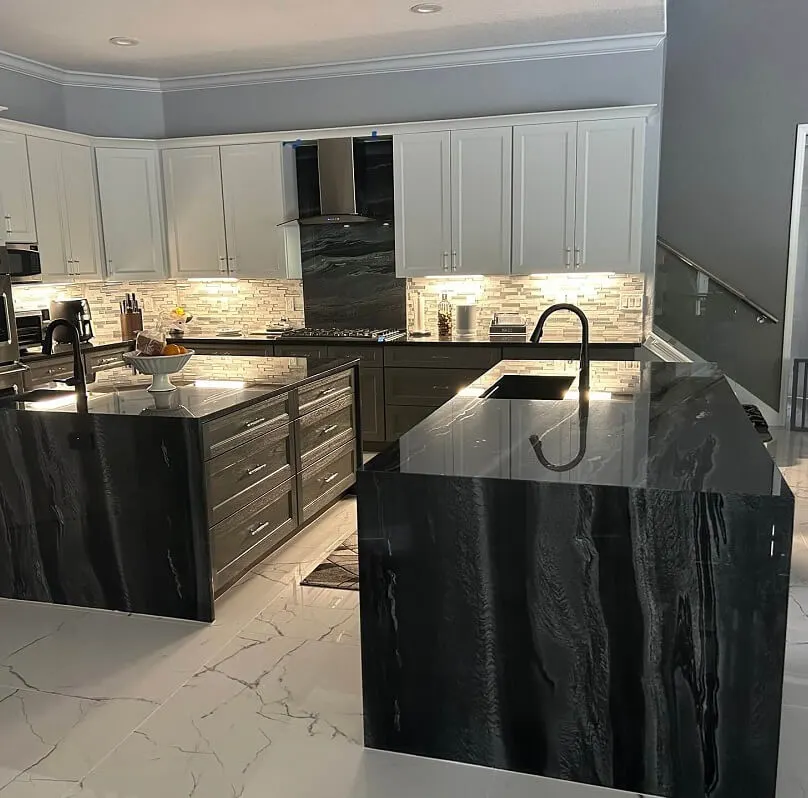
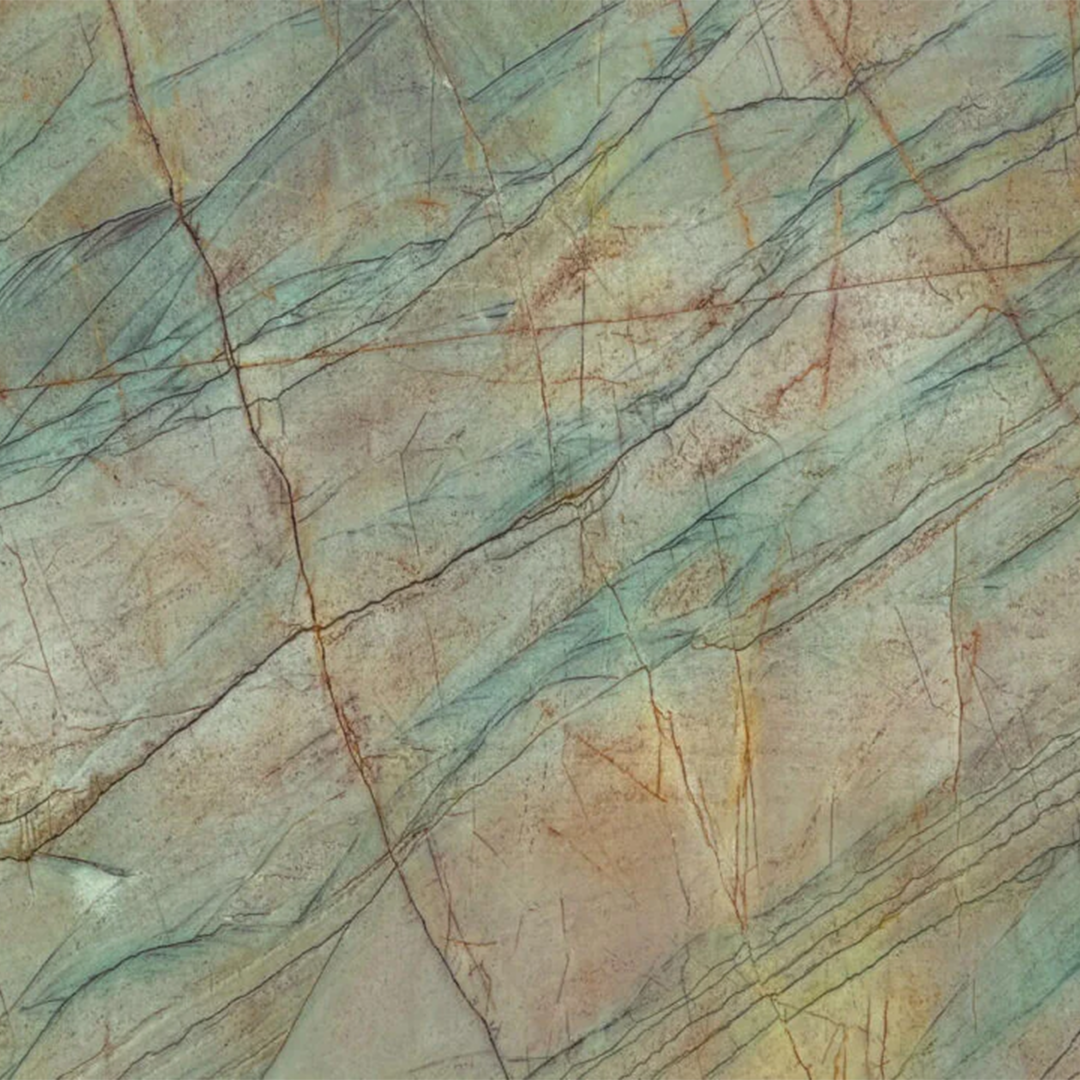
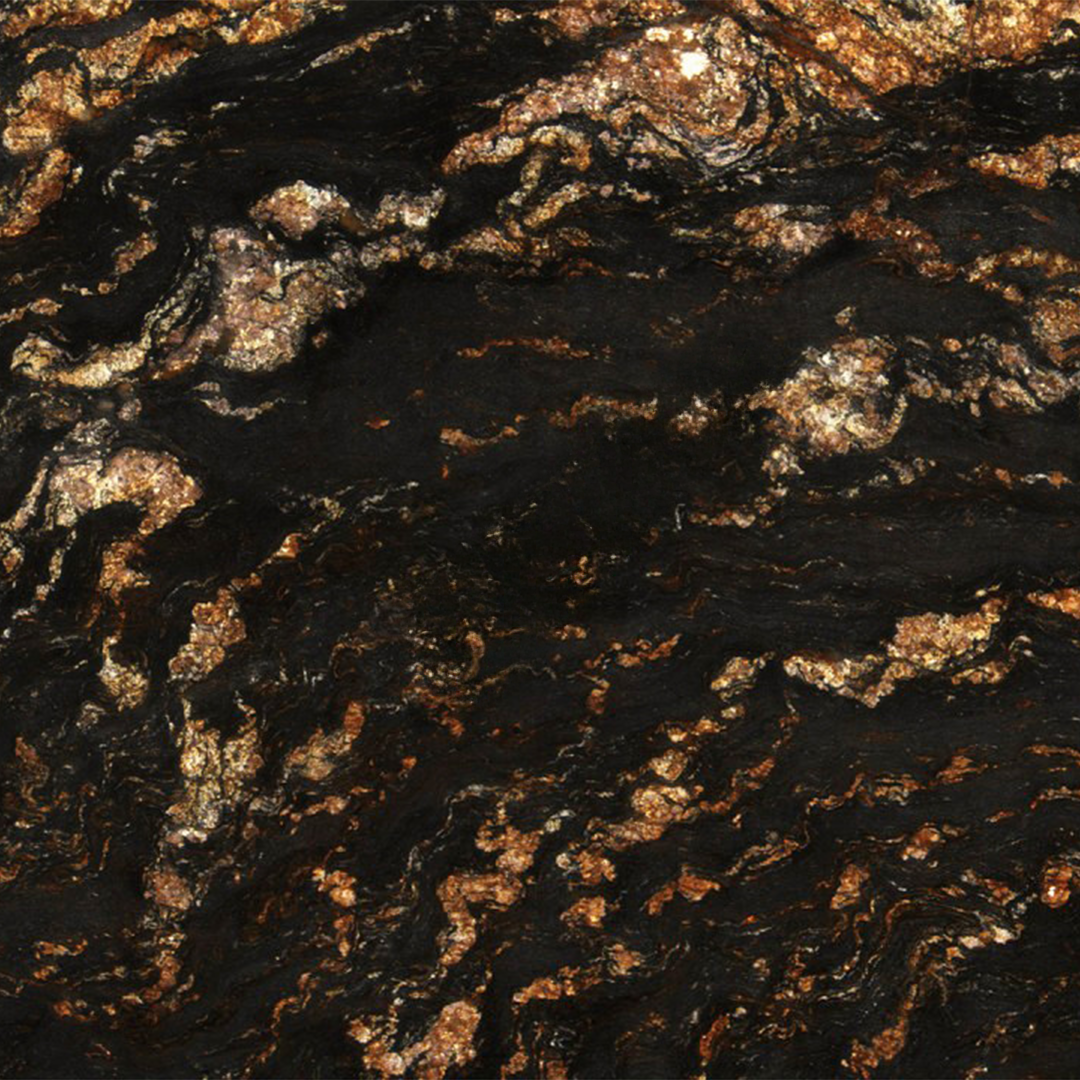
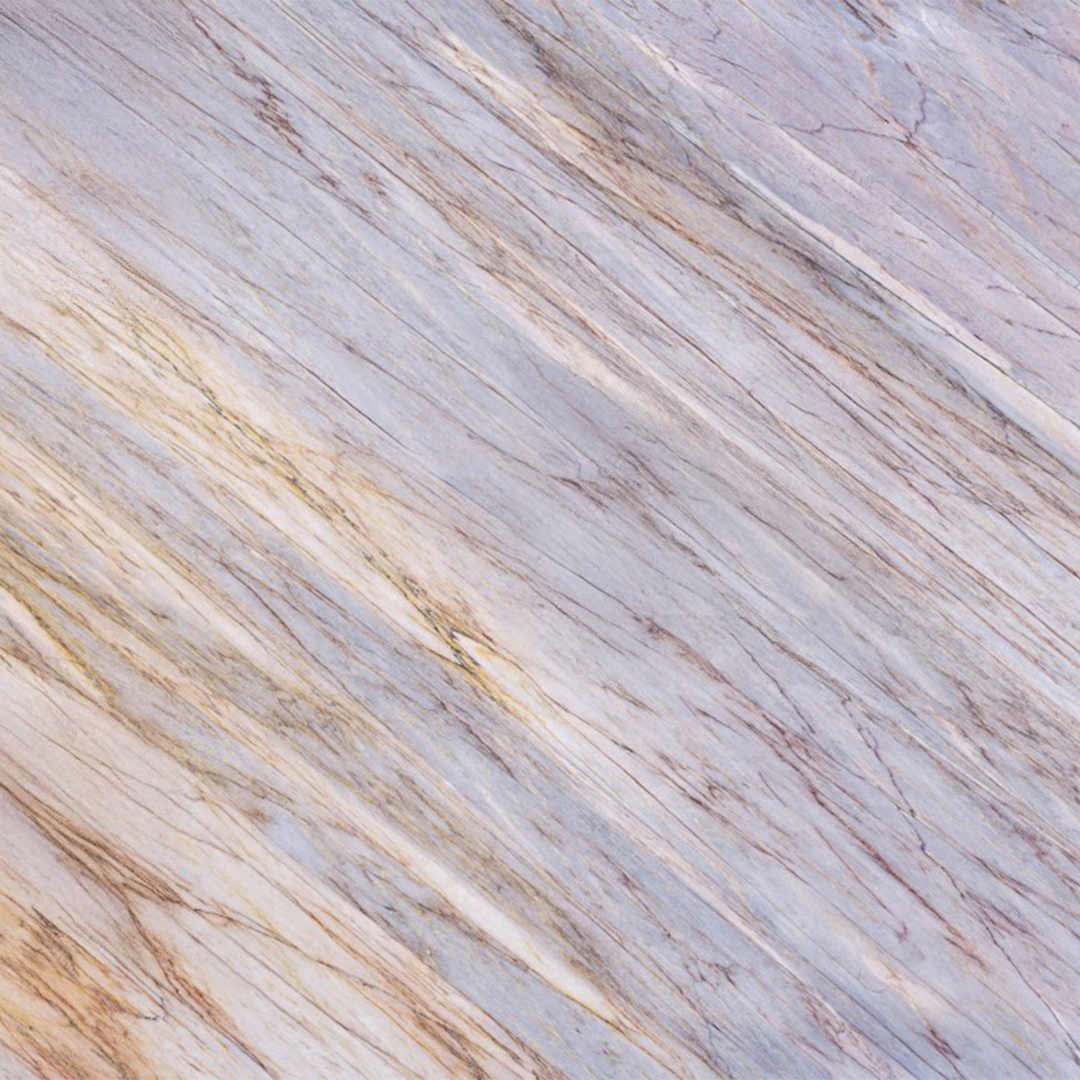
There are a lot of different colors that quartzite comes in and it’s really quite surprising to many first time buyers. Available white/greens are bright whites (Super White, Taj Mahal), soft grey-greens (Sea Pearl), ethereal blues (Azul Macaubas, Golden Thunder), warm golds (Montoro, Golden Thunder), deep greens (Emerald Fusion), and dramatic charcoals (Por Toro).
How long do quartzite countertops last?
With correct installation and proper maintenance, you can enjoy the quartzite countertops for a lifetime — and beyond. Quartzite is used on the surfaces of historical buildings in Europe and South America, where they’ve remained for centuries. A year and a half after the initial sealing and regularly cleaned, you should never need to replace a quartzite countertop in a residential kitchen or bathroom. It is indeed one of the most long-lasting investments in a house.
Ready to Bring Quartzite Into Your Home?
Since 2014, NaturaStone Design has been creating luxury stone surfaces for the homeowners of Orlando. From the slab choosing to the white-glove installation, our team helps you with your design journey, and even if we’re not in your home, you won’t need to worry about any surprises, the kind that get plenty of photos.