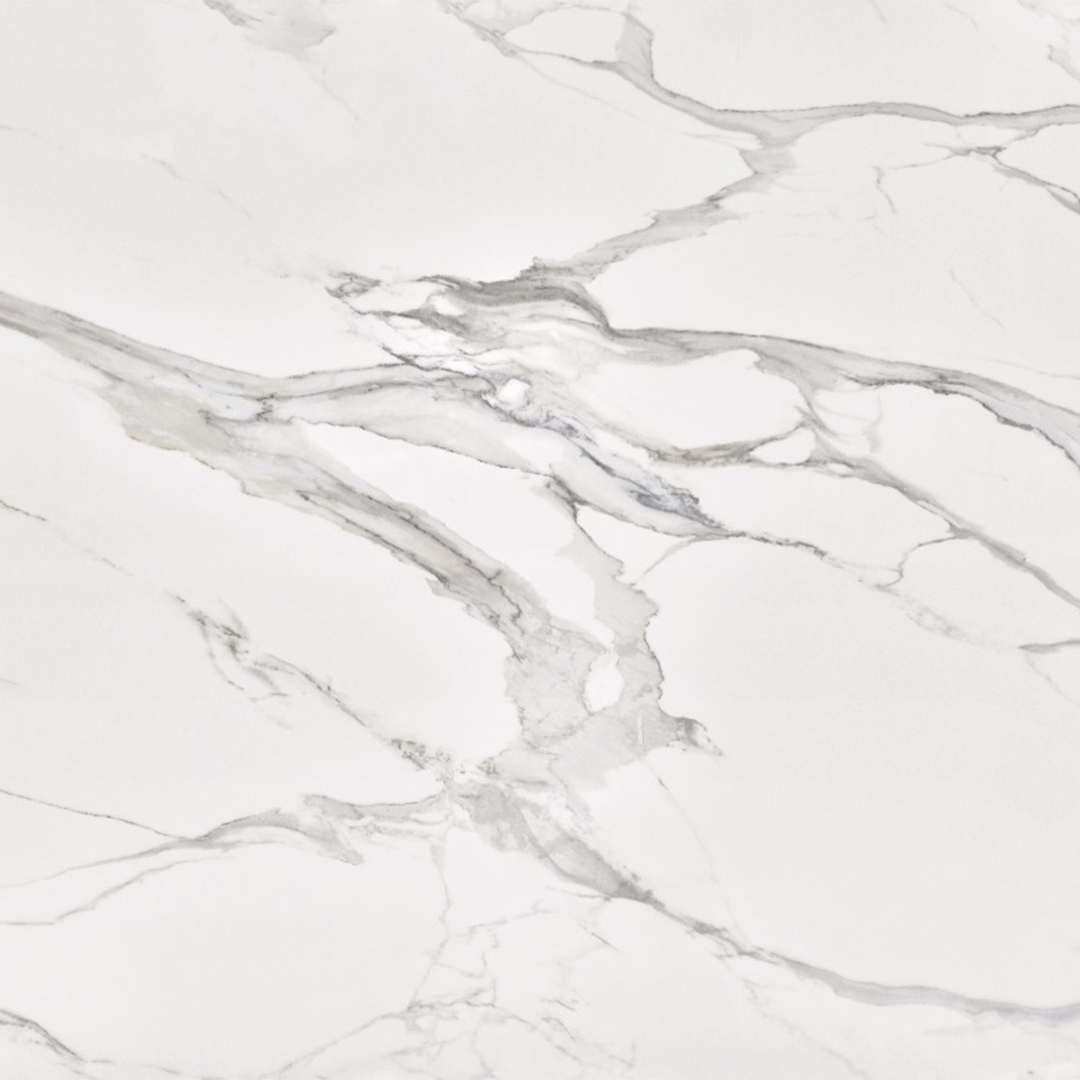
Marble countertops in Orlando bring centuries of natural beauty, warmth, and prestige to kitchens, bathrooms, and custom stone surfaces. At NaturaStone Design, we source premium marble
slabs from quarries around the world and fabricate each piece to order at our Orlando showroom on Orange Blossom Trail.
What Is Marble?
Marble is a metamorphosed stone created by limestone subjected to extreme pressure and heat in the earth’s depths, resulting in an incredibly beautiful and elegant material. It has been
the characteristic stone element of luxury interiors for centuries, with its flowing veins, luminous surface, and indisputable presence.
Known for its elegant beauty and sculptural qualities, marble is one of the world’s most renowned natural stones, cherished since ancient times. Each slab is unique. Marble is a soft,
shiny material that reflects light when polished, a quality that cannot be reproduced in man-made materials. From a sophisticated contemporary kitchen to a traditional elegant bathroom,
marble brings a class that cannot be created artificially.
Why Choose Marble? The Case for Natural Stone
In the last 10 years, the countertop industry has introduced many engineered options, such as engineered quartz, porcelain, and sintered stone. Some of them get very close to the look
of marble. But they cannot replicate its depth. Choose a slab of Calacatta Gold or Statuario and feel it, and you will know the difference between a stone that has been around for millions
of years and a surface prepared in a factory.
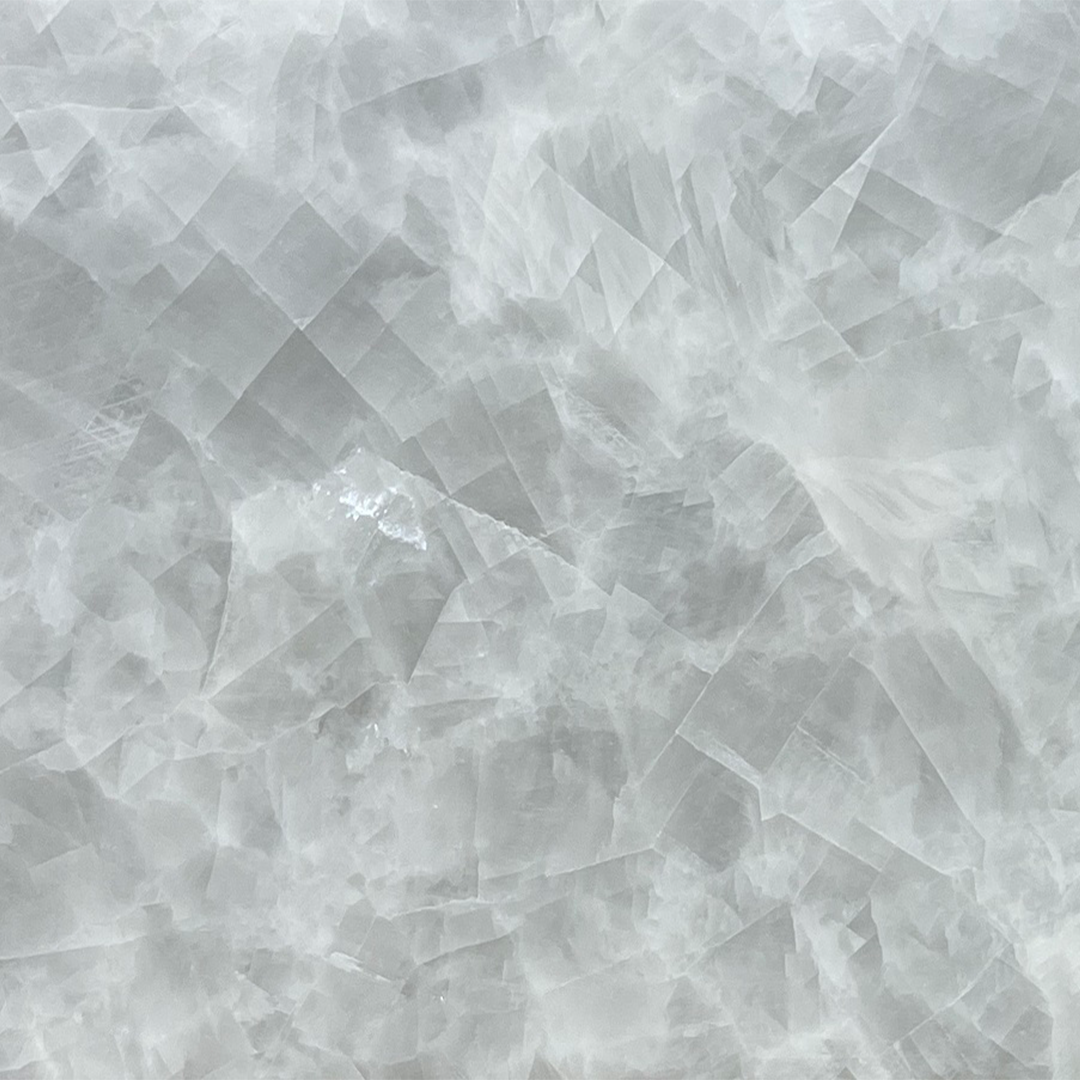
The veining on marble is not printed. It is not computer-controlled. It is the physical evidence of the migration of minerals in metamorphic stone. When you have the real thing, it
means something.
According to the Natural Stone Institute, natural stone surfaces are
among the most durable and sustainable countertop materials available, with lifespans measured in generations when properly maintained.
Marble vs. Quartzite: A Closer Look
This is a fair comparison. Marble is a material that is often advised against in kitchens, but context matters. Knowing the difference between marble and quartzite countertops can assist you in choosing the one that fits your project.
| Feature | Marble | Quartzite |
|---|
| Hardness | 3 to 4 Mohs | 7 to 8 Mohs |
| Scratch Resistance | Low: scratches with use | Excellent |
| Acid Sensitivity | High: etches on contact | Resistant to mild acids |
| Stain Resistance | Moderate (requires sealing) | High (when sealed) |
| Visual Character | Unmatched: the original aesthetic | White varieties closely mimic marble |
| Patina Over Time | Develops character, etching, and patina | Ages gracefully with minimal wear |
| Heat Resistance | Moderate: use trivets | Excellent |
| Best For | Bathrooms, low traffic areas, statement pieces | Kitchens, heavy use countertops |
Quartzite is more likely to withstand daily use and acidic foods, making it a better choice for high traffic kitchens. At NaturaStone Design, we work with both materials every day and
can help you decide what is right for your project.
Marble vs. Quartz: What Is the Difference?
Homeowners often have a hard time distinguishing between marble and quartz countertops.
Marble is a natural stone: quarried from the earth, cut into slabs, and installed without modification. Engineered quartz (brands such as Caesarstone, Cambria, and Silestone) is a
product formed from 90 to 95% ground quartz crystals fused with polymer resin and pigment.
| Feature | Marble (Natural) | Quartz (Engineered) |
|---|
| Origin | Mined from the earth | Factory-manufactured |
| Porosity | Porous: requires sealing | Non-porous: no sealing needed |
| Heat Resistance | Moderate | Moderate: resins can discolor |
| Scratch Resistance | 3 to 4 Mohs, scratches with use | 7 Mohs: significantly harder |
| UV / Outdoor Use | Generally stable | Resins can yellow in UV exposure |
| Pattern Uniqueness | Every slab is one of a kind | Consistent, repeatable patterns |
| Acid Sensitivity | High: etches easily | Resistant |
| Maintenance | Requires sealing; etching possible | Minimal: wipe clean |
| Aesthetic Prestige | The original, incomparable depth | Clean, uniform, predictable |
Engineered quartz is a low-maintenance surface that never needs sealing and features a consistent color throughout. However, if you are looking for a true feeling of warmth only brought
about by real stone, marble is in a class all by itself. Many homeowners choose marble not just for how it functions, but for the irreplaceable character it brings to a space they live in
every day.
Marble Countertop Cost in Orlando
The price of marble in Central Florida depends on several factors, including the slab’s origin, the rarity of the veining, the thickness, and the complexity of the edge profile and
installation. Here is a realistic overview for the Orlando area:
- Entry Level: $60 to $85 per sq ft installed — Classic Carrara, standard finishes, simple edge profiles
- Mid Range: $85 to $130 per sq ft installed — Calacatta, Arabescato, Emperador, custom edges
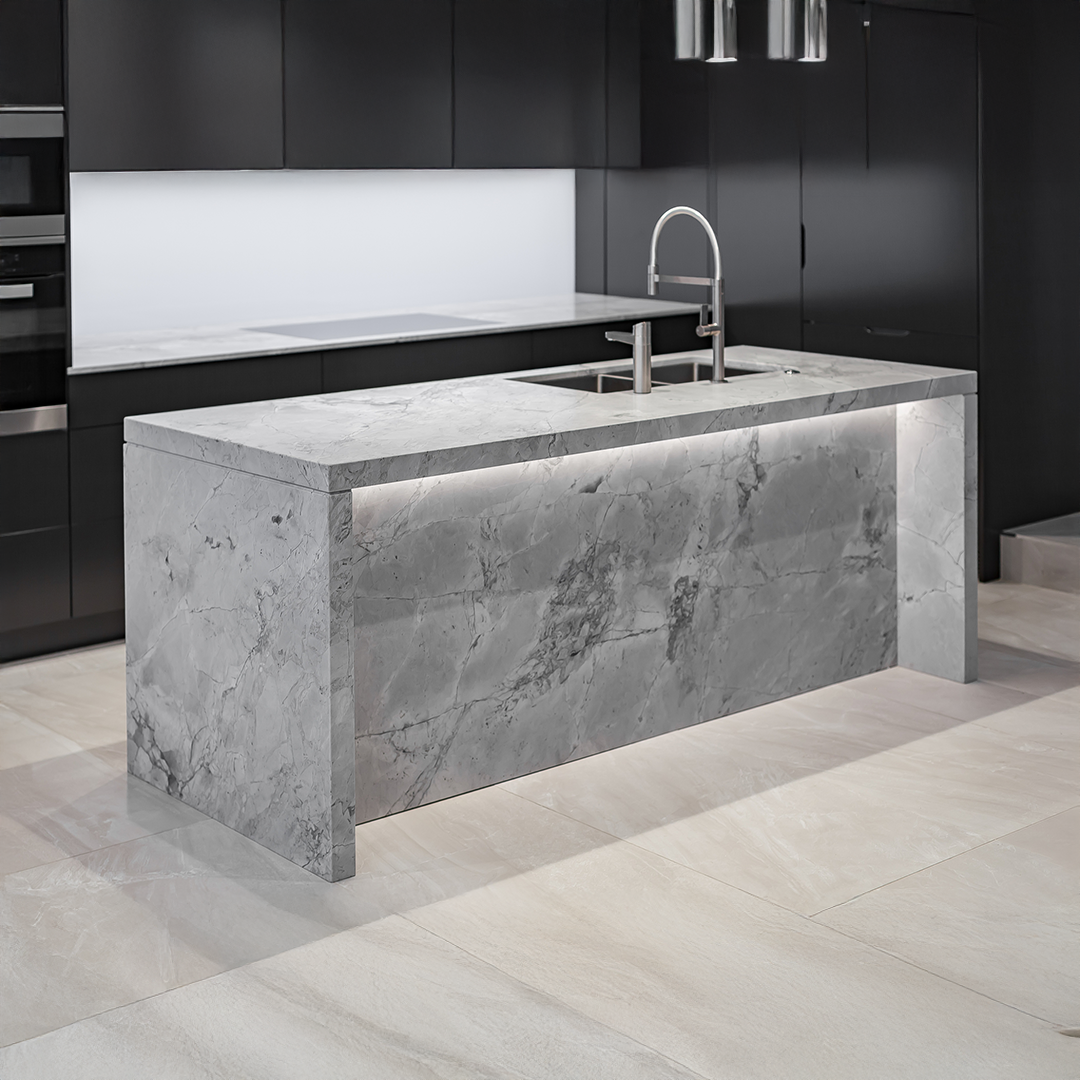
- Premium / Exotic: $130 to $200+ per sq ft installed — Statuario, Calacatta Gold, Portoro, book-matched slabs, waterfall edges
There is no fixed price — every project is unique. We provide detailed, no-cost quotes. Browse our kitchen countertop projects or
explore our bathroom installations to see marble in finished spaces.
Frequently Asked Questions
Is marble a good choice for kitchen countertops?
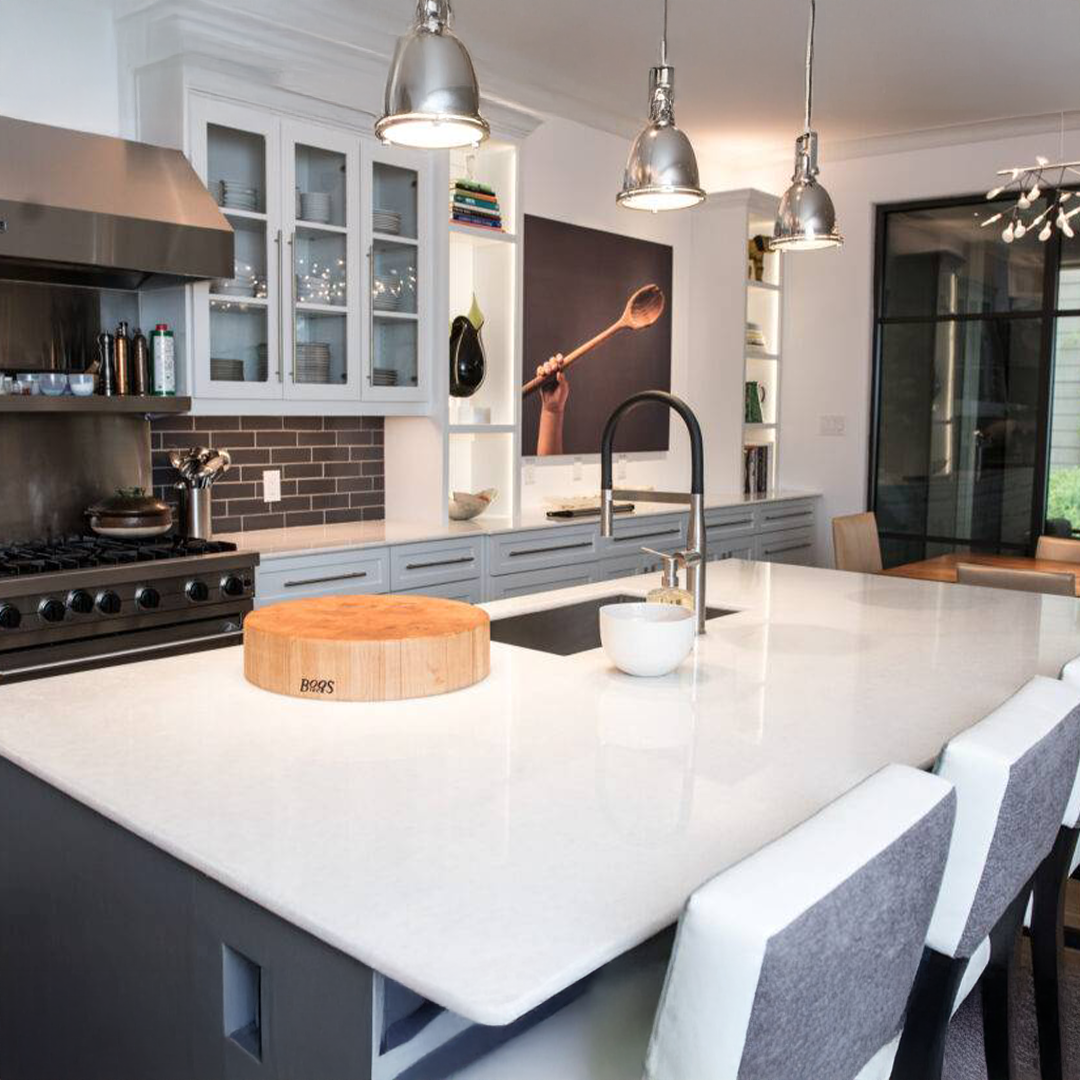
Marble is certainly a good choice for the kitchen, though with a realistic outlook. It scratches more easily than quartzite or granite and will etch if exposed to acid, lemon juice, or
tomato sauce. Some homeowners enjoy the patina that develops over the years, adding character to the surface. Others prefer a surface that stays pristine. If you are in the latter group,
quartzite or engineered quartz might be a better option for your kitchen. Marble is an excellent choice for baking stations and kitchens where high-acid foods are not a daily
occurrence.
Does marble need to be sealed?
Yes. Marble is a porous natural stone and should be sealed at installation and re-sealed every year or so, depending on use and the density of the stone. Sealing forms a barrier to
prevent staining but has a limited ability to resist damage from acids. At installation, we use a professional-grade sealer and provide you with a simple routine to keep your marble in top
condition.
What is the difference between Carrara, Calacatta, and Statuario marble?
All three are white marbles but are very different in appearance and value. Carrara is the most common, with light grey veining, and is the most affordable. Calacatta is less common and
features more prominent, dramatic veining on a bright white background. Statuario is regarded as one of the finest marbles in the world: bright white with sweeping, high-contrast grey or
gold veining, and commands a premium price. All three are beautiful, and the right choice depends on the look you are going for and your budget.
Will hot pans damage marble countertops?
Marble is more heat-sensitive than quartzite or granite. Brief warm contact is unlikely to cause serious damage, but prolonged exposure to high temperatures may result in thermal shock
or surface finish issues. It is always recommended to use trivets or heat pads, not only to protect the stone sealer and polished surface but as a good practice with any countertop
material.
How long do marble countertops last?
Some of the world’s longest-lasting buildings have featured marble floors, walls, and surfaces for thousands of years. A marble countertop in a home can last indefinitely if installed
properly and cared for. The key is to set realistic expectations. Over time, marble acquires a patina that many believe enhances its beauty and authenticity. When sealed and cleaned with
pH-neutral cleaners, a marble surface will remain a beautiful and lasting addition to your home.
What are the most popular marble colors and varieties?
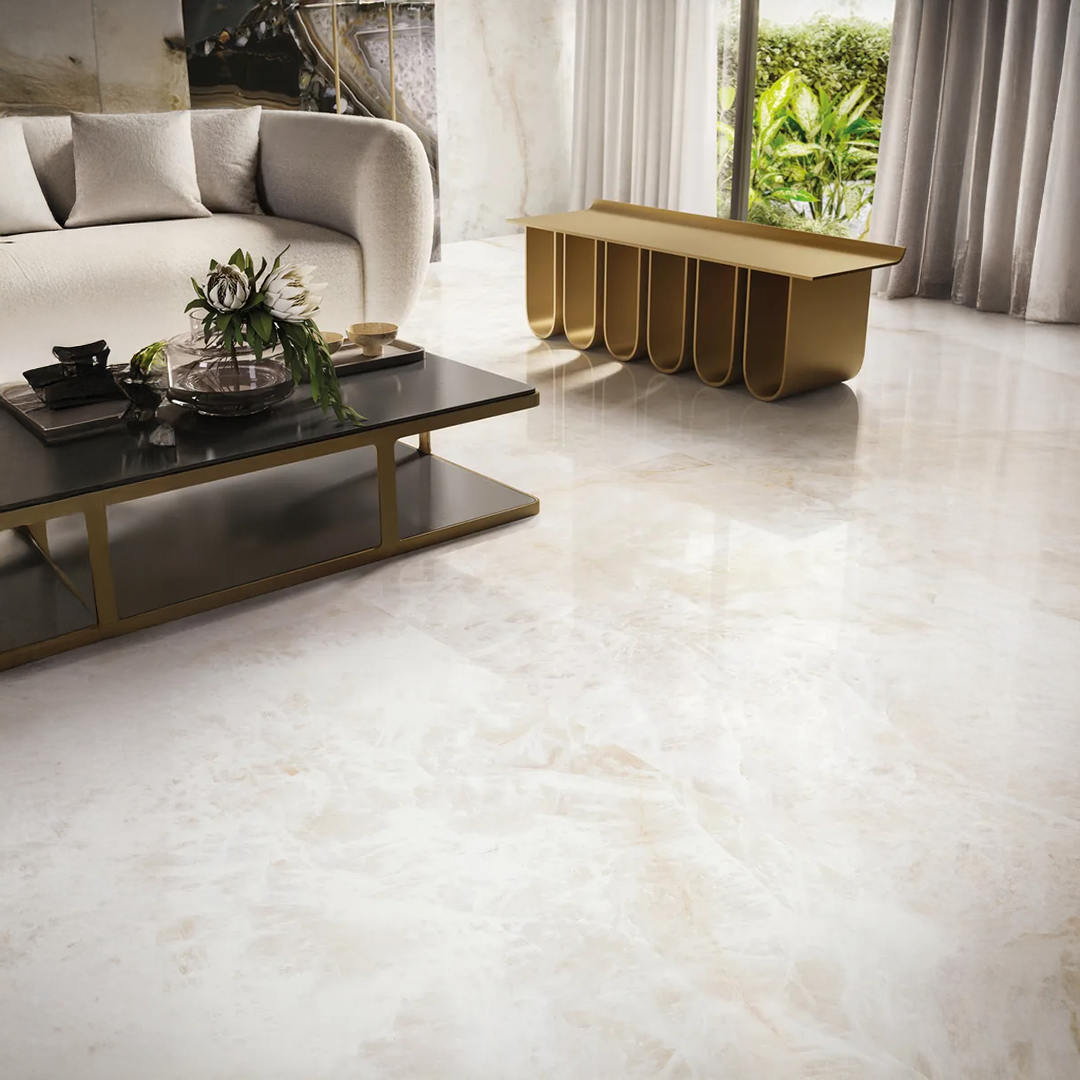
Today there is a wider variety of marble available than most homeowners expect. White and grey varieties include Carrara, Calacatta, Statuario, Thassos, and Arabescato. Dramatic dark
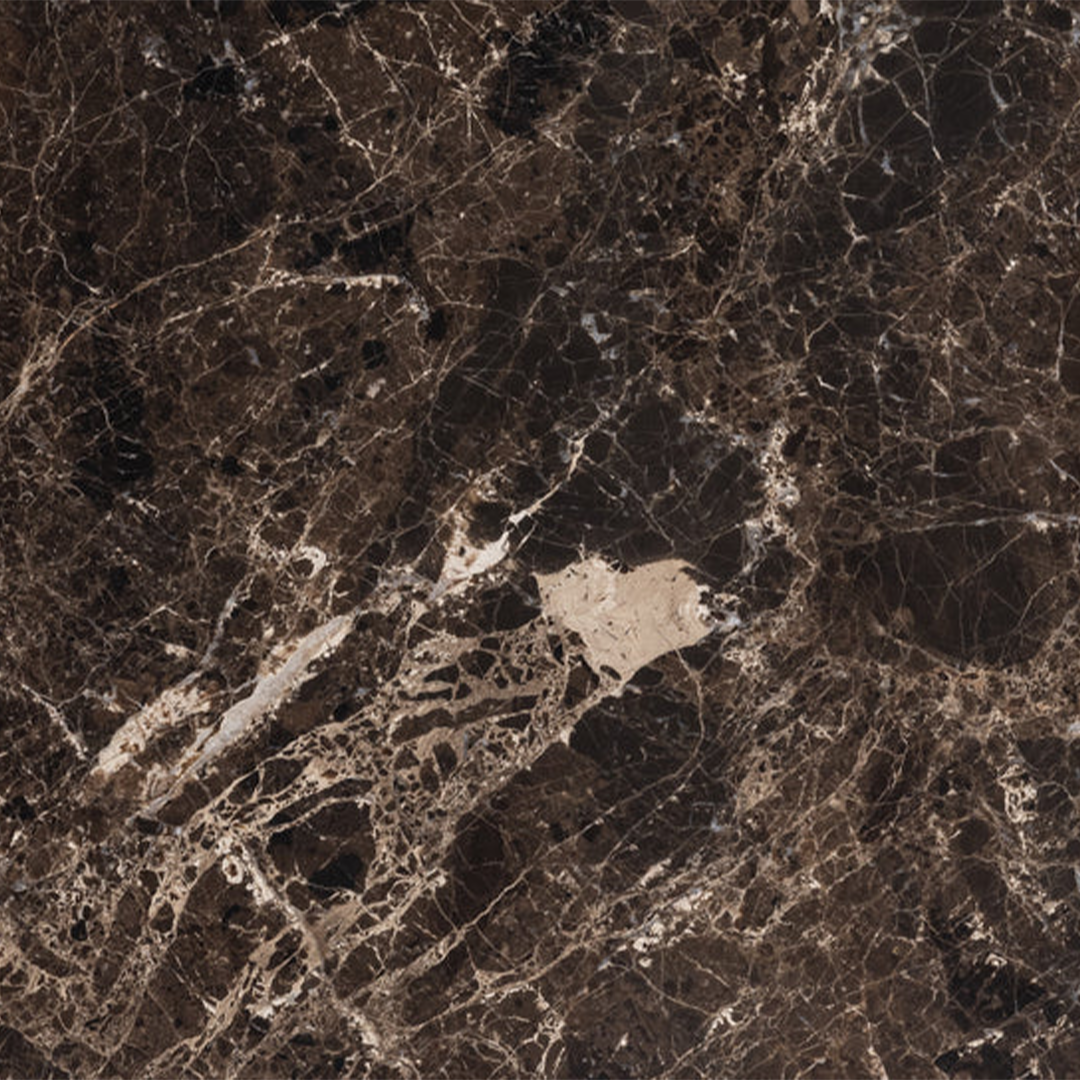
varieties include Nero Marquina (black with white veining) and Portoro (black with gold). Warmer tones include Botticino (cream), Emperador (dark brown with fine veining), and Calacatta
Viola (white with purple and gold veining). Every slab is different, so it is always best to choose your slab in person at our showroom.
Can marble be used in bathrooms?
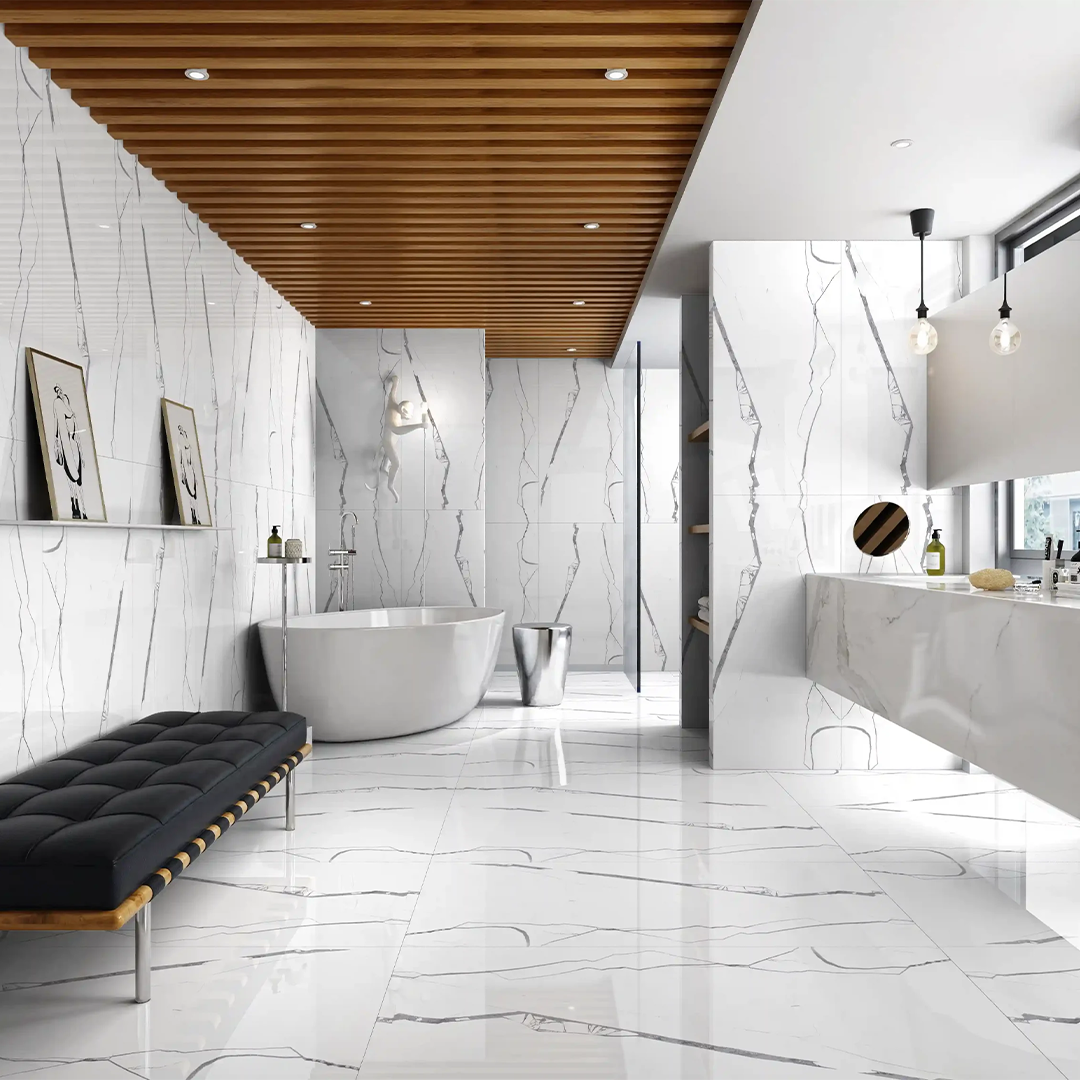
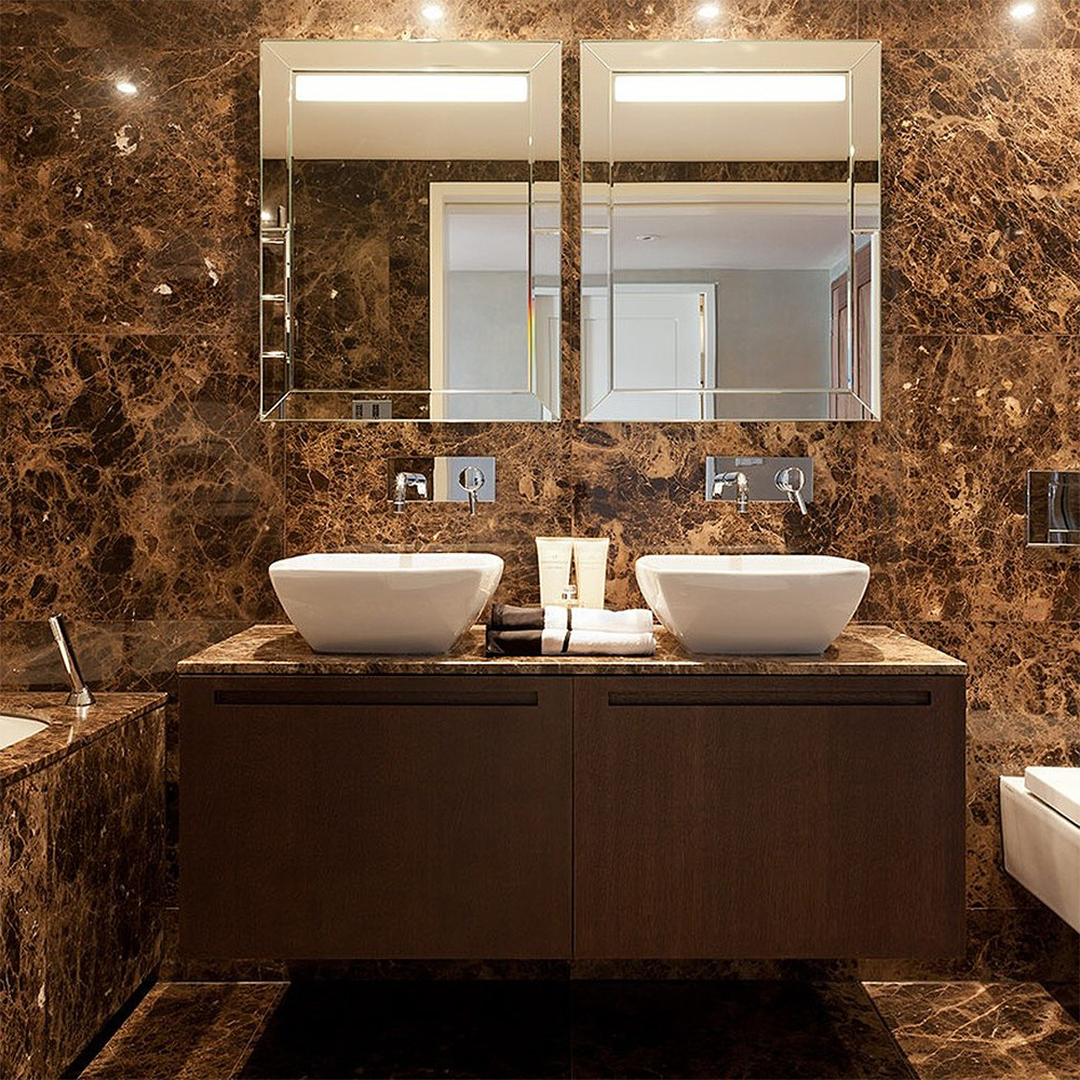
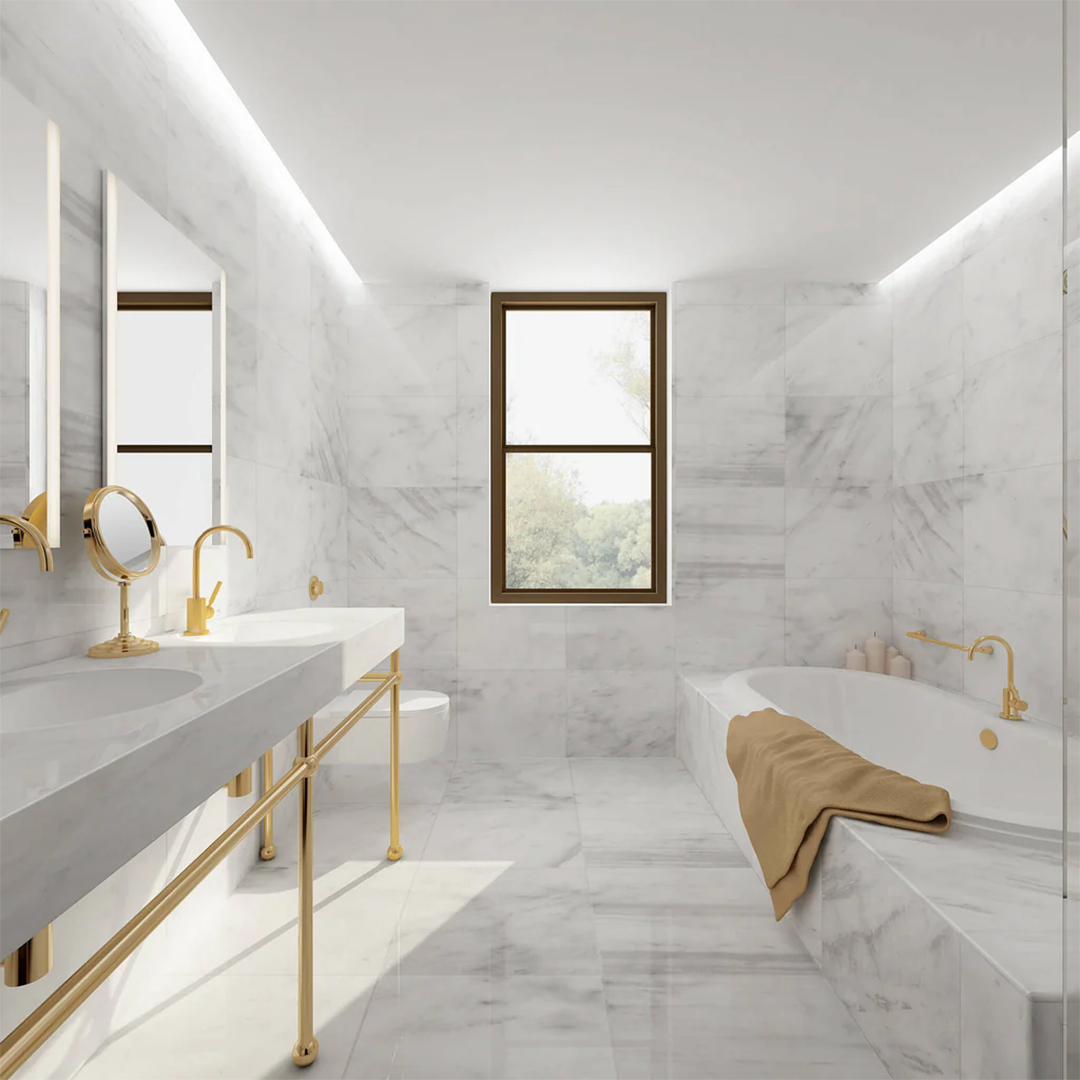
The bathroom is where marble truly comes into its own. Marble bathroom vanities, shower walls, and flooring are ideal applications
because of the reduced exposure to food acids and the design context. Marble bathrooms are among the most stunning residential spaces we have designed at NaturaStone Design. It is a
setting where the material’s luminous quality under both natural and artificial light is truly remarkable.
Ready to bring marble into your home? Contact us today or schedule your appointment at
NaturaStone Design in Orlando. Our team will guide you through every step, from slab selection to precision installation.